Publishing is only half the job. Even the best article can disappear if you do not share it in the right places at the right time. That is why smart content distribution strategies matter as much as writing. They turn a single post into a system that keeps bringing traffic, engagement and conversions over time. In this blog, you will get 10 practical content distribution strategies plus a clear way to implement them in WordPress without turning distribution into a full-time job.
Why Content Distribution Is the Real Growth Lever
If you publish and hope people find it, growth stays unpredictable. Distribution gives your content a second life by placing it where your audience already spends time. When distribution becomes intentional, your publishing workflow becomes more consistent and measurable. It also helps you stop relying on one channel because you are building multiple paths back to the same core content.
The goal is not to post everywhere every day. The goal is to build a repeatable distribution strategy that matches your channels, your team capacity and your audience behavior. When you treat distribution as a system, each post gets more opportunities to perform and you reduce the pressure to publish nonstop.

Here is what strong content distribution actually improves:
- Reach: Your post shows up in more places, so more people discover it without needing paid boosts.
- Consistency: You promote on a schedule, not on mood or memory, which keeps visibility stable.
- Compounding traffic: SEO, internal links and newsletters keep sending visitors long after publish day.
- Stronger engagement: You meet your audience in the formats they prefer, which increases saves, shares and replies.
- Better feedback loops: When you distribute across channels, you learn faster which topics and angles work best.
- Higher ROI on content: One article becomes multiple assets through content repurposing, summaries and native formats.
Content Distribution Strategies to Follow in 2026
Before we dive into the 10 tactics, let us set one expectation clearly: the best distribution strategies are the ones you can repeat without burning out. You do not need to use every channel at once; you only need a consistent system that helps each post travel further than publish day. The strategies below are written so you can pick a few that match your workflow now, then expand later as your process becomes more stable.
1. Share Your Content Across Social Platforms with a Plan
Social media is often the fastest way to get early visibility. Instead of sharing once and moving on, break one post into multiple angles and schedule those shares over several days. This approach increases reach without needing new content every time.
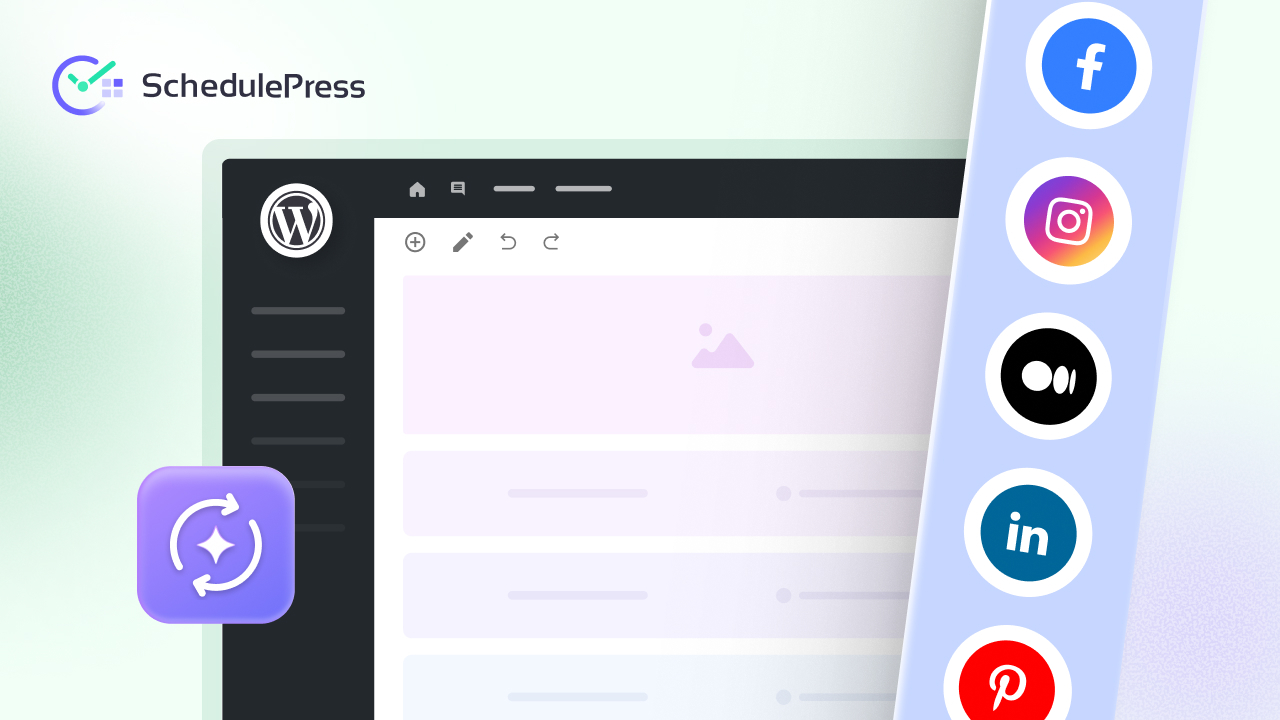
If you want your content distribution strategies to work long term, use templates for message formats and build a weekly rhythm. That is how social promotion becomes consistent instead of occasional.
How to implement
- Create 3 to 5 post variations for one blog post
- Schedule them across different days and times
- Track engagement and reuse the best variation next month
2. Repurpose a Single Post into Multiple Content Formats
Repurposing is the highest leverage move in distribution. One article can become a short thread, a carousel, a reel script or a simple checklist graphic. You are not repeating content; you are adapting it to how each platform behaves.
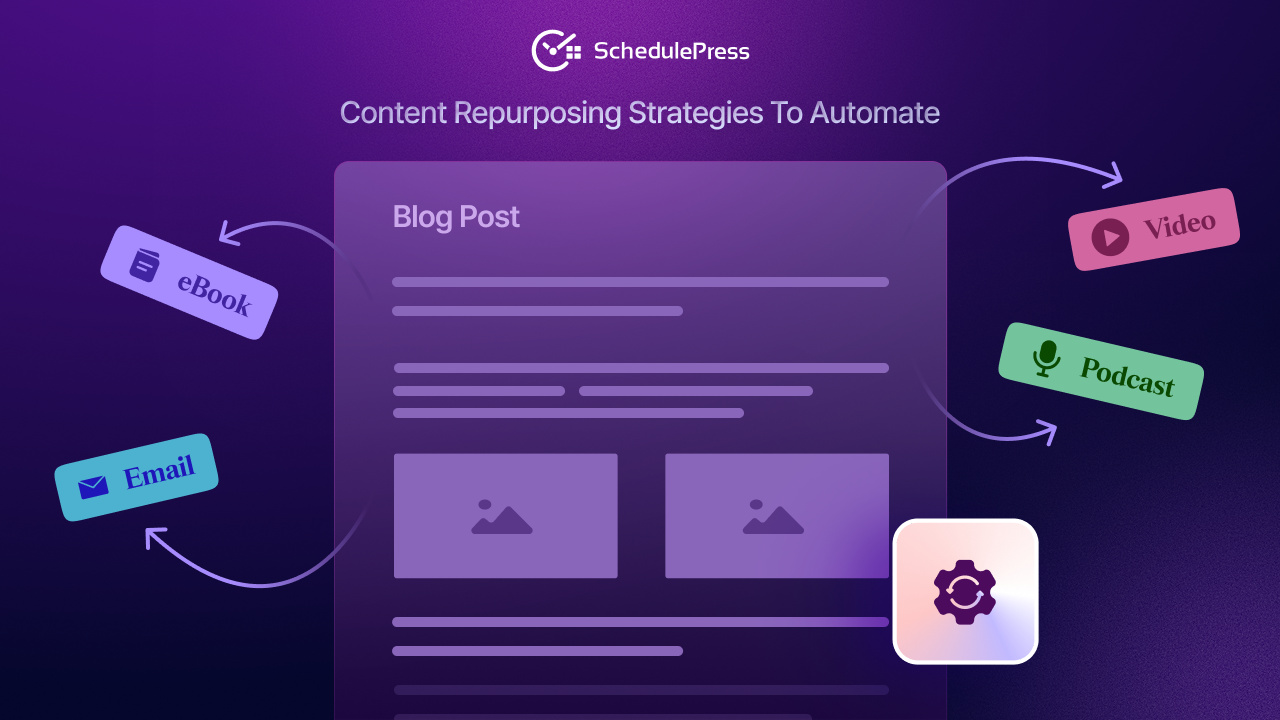
Strong content distribution strategies rely on repurposing because it reduces workload while increasing output. It is also a realistic way for small teams to compete with bigger publishing engines.
How to implement
- Extract 5 key points and turn them into short social posts
- Convert the main idea into a simple carousel outline
- Create a short summary for LinkedIn or Medium style platforms
3. Build an Editorial Calendar That Supports Distribution
Many teams plan content but do not plan distribution. That gap creates inconsistency because sharing depends on memory. A content calendar should include both publishing and distribution so the entire workflow stays visible.
If you are using WordPress, building distribution into the calendar makes your content distribution strategies easier to execute. You can line up posts, coordinate sharing and avoid last-minute scrambling.
How to implement
- Add distribution tasks beside each published post
- Include repurposing notes in your calendar plan
- Use a weekly review to adjust based on results
4. Use Internal Linking to Extend Reach Inside Your Site
Not all distribution happens off-site. Internal linking helps your content travel through your own website. When older posts link to new posts and new posts link back to related resources, you improve session depth and help users find more value.
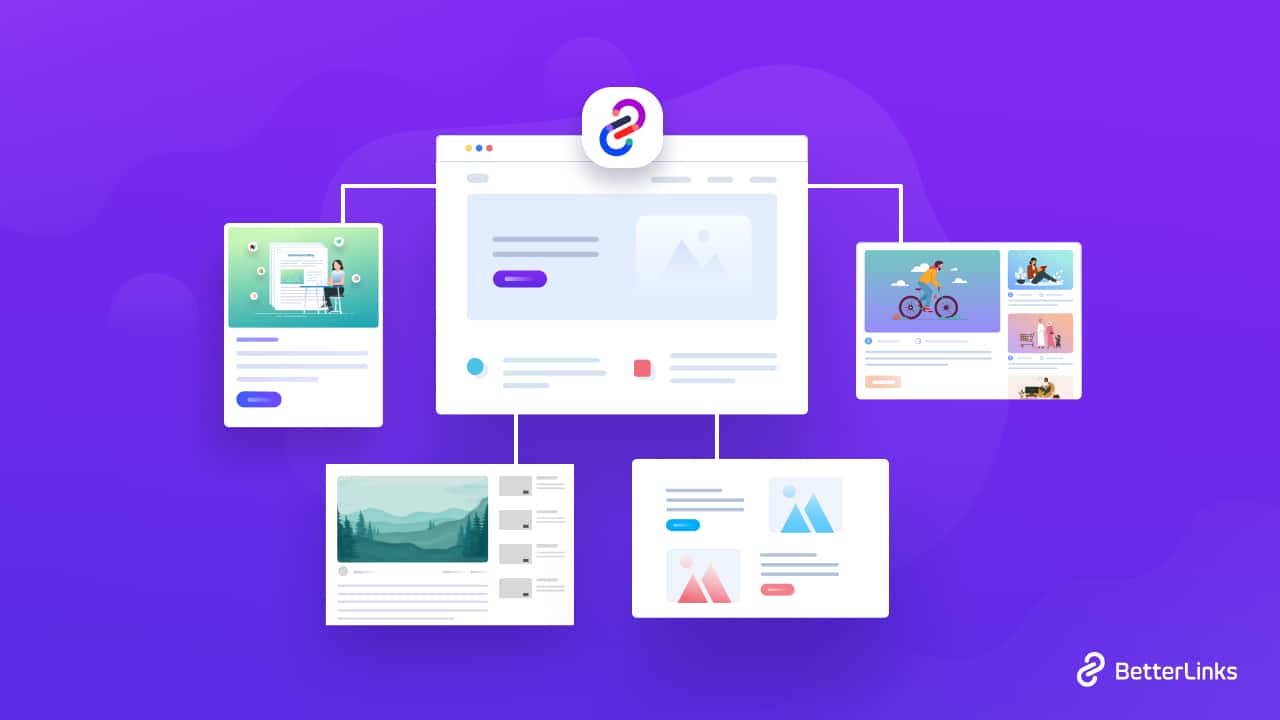
Internal linking is one of the most overlooked content distribution strategies because it is quiet. It does not look like a promotion, but it keeps content circulating where conversions happen.
How to implement
- Link new posts to 2 to 4 relevant older posts
- Update older high-traffic posts with links to new content
- Build small topic clusters around core themes
5. Optimize for Search, So Distribution Compounds Over Time
Search distribution is slower, but it compounds. When you publish content that answers real questions and you optimize it properly, it can bring traffic for months or years. That is why SEO remains a core part of sustainable growth.
If you want your content distribution strategies to support SEO, plan topics in clusters and publish consistently. A one-off SEO post does not build authority, but a system does.
How to implement
- Use a target keyword and match search intent
- Publish supporting posts around the same theme
- Refresh evergreen posts regularly with updates
6. Email Newsletters: Turn Readers into Returning Traffic
Email is a direct channel that you control. When you send a newsletter, you bring people back to your content without depending on algorithms. This is especially useful when social reach fluctuates.

Email-based content distribution strategies work best when the newsletter is consistent and the links are valuable. A weekly digest of new posts plus one featured resource is often enough.
How to implement
- Share new posts weekly with short takeaways
- Include one evergreen link to revive older content
- Ask one question to encourage replies and feedback
7. Community Distribution: Share Where People Already Talk
Communities can drive high-quality traffic because the audience is already focused. This can include Facebook groups, LinkedIn communities, niche forums and product communities. The key is to contribute value, not to spam links.
If you want content distribution strategies that bring engaged readers, community sharing can outperform broad social posting. You just need the right angle and context for the group.
How to implement
- Share a summary first, then link as a reference
- Answer questions using your content as support
- Track which communities send the best engagement
8. Partner Distribution through collaborations and mentions
Partnerships turn distribution into a shared effort. Collaborate with creators, brands or newsletters that serve the same audience. A single mention in the right partner channel can outperform weeks of solo promotion.
This is one of the most scalable content distribution strategies because it builds relationships while expanding reach. It also helps with authority and trust over time.
How to implement
- Pitch a content swap or a guest contribution
- Create a co-branded checklist or template
- Share partner content too to keep the relationship balanced
9. Paid Promotion for High-Performing Content
Paid promotion is not required for every post. Use it when you have content that already performs well organically. The goal is to amplify what works, not to push weak content harder.
If you add paid distribution to your content distribution strategies, keep it simple. Promote evergreen resources, lead magnets or guides that stay useful over time.
How to implement
- Promote your best performing post first
- Use small budgets to test different audiences
- Track conversions, not only clicks
10. Platform-Native Content & Features
Each platform rewards content that matches its native format. A link-only post can work, but native formats like LinkedIn articles, X threads or Instagram carousels often get more reach because the platform wants users to stay inside the app.

This is why strong content distribution strategies include native formats. You can still drive traffic back to your site, but you start by giving value in the platform’s preferred style.
How to implement
- Turn your blog into a thread with a clear structure
- Convert key lessons into a carousel with short slides
- Publish a LinkedIn-style summary, then link to the full post
How to Implement Content Distribution Strategies in WordPress with SchedulePress
Running these strategies manually can lead to burnout. You might publish content, then rush to share it, then forget to repurpose it, then miss the best times to post. A better approach is to centralize planning and automate repeatable steps.
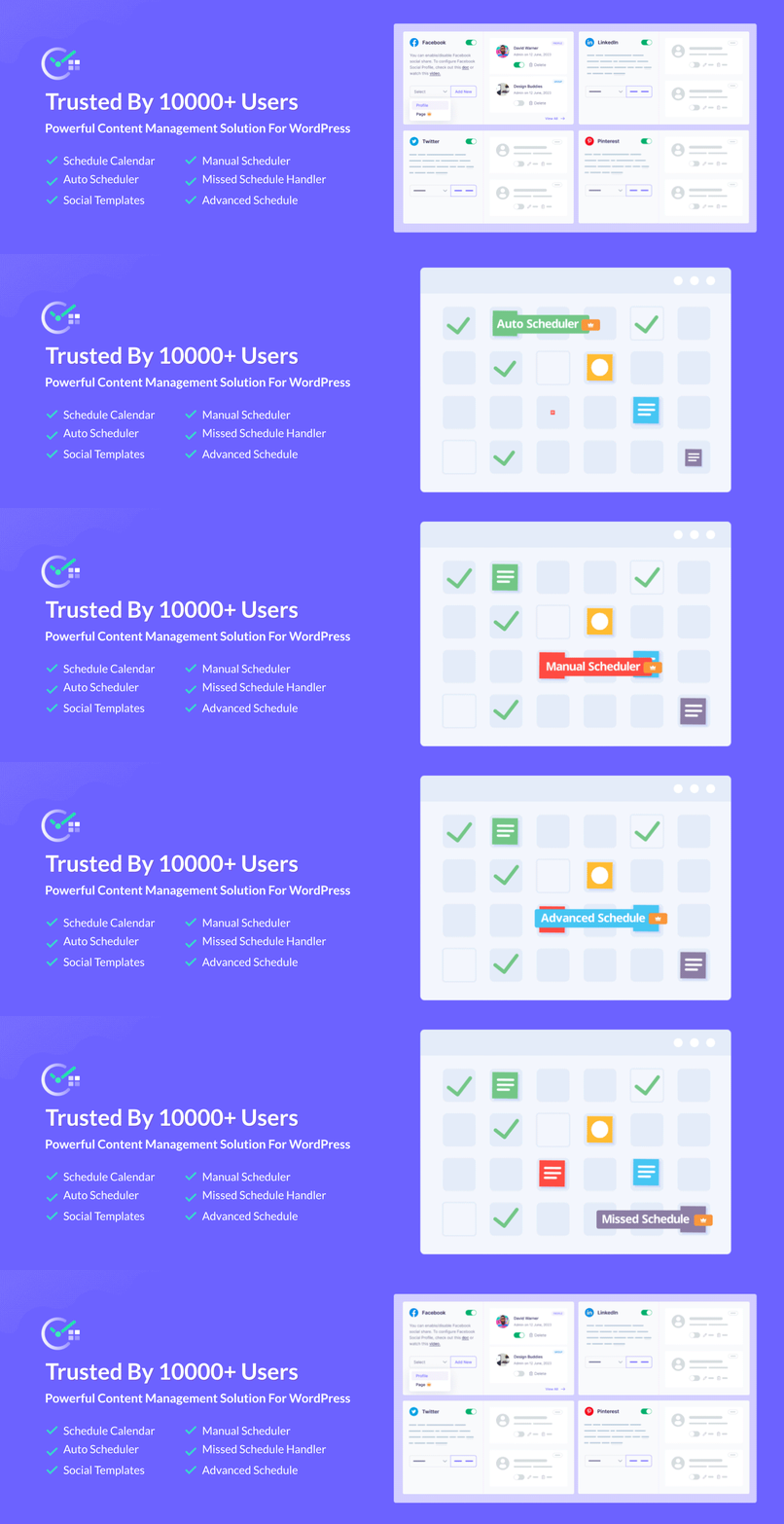
SchedulePress helps turn content distribution strategies into a structured system by supporting an editorial calendar and automated social sharing from WordPress. When you schedule your posts and prepare social templates, distribution becomes part of the workflow rather than an extra task you do when you have time.
Centralize Your Calendar and Avoid Scattered Planning
When your calendar lives inside WordPress, planning becomes easier to maintain. You can see what is scheduled and what needs promotion. This keeps your publishing and distribution aligned. A stable calendar also helps you track which posts were repurposed into which formats, so you do not repeat the same promotion pattern every time.
Automate Sharing with Templates and Timing
Automated social sharing helps you publish and distribute without constantly switching tools. When your post goes live, you can share it to connected platforms using preset templates and custom templates. This supports consistent social promotion as part of your content distribution strategies.
Protect Consistency, So Distribution Stays Trustworthy
If a scheduled post misses its publish time, the rest of your distribution plan breaks. Your social shares might go out without the post being live, or your newsletter might link to a missing page. Reliability matters.
With a stable scheduling workflow, your distribution plan becomes dependable and your audience learns to trust your rhythm.
A Simple Weekly Distribution Workflow You Can Repeat
Most teams fail with content distribution strategies because they treat distribution as a burst activity right after publishing. That approach creates spikes, then silence. A better approach is to run distribution like a weekly loop, where every post gets multiple chances to perform. When you repeat the same loop every week, you build consistency without needing more hours.
Here is a simple weekly workflow you can plug into your editorial calendar:
Day 1: Publish and share the primary post
Publish the post on your site, then share it once on your main social platforms with a clear angle. Focus on clarity, not cleverness. This first share is the baseline for your social promotion.
Day 2: Repurpose into a short native format
Turn the post into one platform-native format, such as a thread, a carousel outline or a short LinkedIn-style summary. This step supports your content repurposing plan without requiring a full redesign of the content.
Day 3: Share with a community with context
Choose one community where your audience already gathers. Share a short takeaway, then link the article as a reference. This makes your content distribution strategies feel helpful rather than promotional.
Day 4: Add the post to your email newsletter
Include the post in a weekly digest or highlight it as the main story. A consistent email newsletter helps you bring readers back without depending on algorithms.
Day 5: Refresh internal links and update one older post
Add internal links from the new post to related resources and update one older high-traffic post with a link back to the new content. This strengthens your SEO content foundation and keeps content circulating on your site.
This system is simple on purpose. If you keep it consistent, your content distribution strategies will compound over time.
Frequently Asked Questions (FAQs)
These FAQs answer common questions teams ask when they are trying to make content distribution strategies sustainable without burning out. Use them to tighten your process and remove confusion before you scale.
1) How many distribution channels should I focus on at once?
Start with two or three channels you can execute well. It is better to run a strong weekly loop on fewer platforms than to post randomly on many. Once your workflow feels stable, you can expand your social promotion and community distribution gradually.
2) How often should I reshare the same blog post?
You can reshare a post multiple times if you change the angle or format. Use different hooks, different takeaways and different repurposed formats. This is where content repurposing makes repetition feel fresh while keeping your distribution consistent.
3) What is the fastest distribution win for a small team?
Repurposing and email. Turn each post into one native format and include it in your email newsletter. Those two steps alone can make your content distribution strategies feel far more consistent without adding complex processes.
4) Does SEO count as a content distribution strategy?
Yes. SEO is a long-term distribution engine. When your SEO content is planned in clusters and published consistently, it keeps bringing traffic without ongoing promotion. That is why SEO is often the most sustainable distribution channel for publishers.
5) How do I measure whether my distribution is working?
Track a few signals that matter for your goals. For social, look at saves, shares and meaningful comments, not only impressions. For email, track clicks and replies. For SEO, track organic sessions and rankings over time. Good measurement helps you refine your content distribution strategies instead of guessing.
6) What should I do if a post performs poorly?
Do not abandon it immediately. First, try a different angle and repurpose it into a new format. Share it in one targeted community with context. Then review whether the topic matches your audience and whether the headline and introduction are clear. Many posts perform better on their second distribution cycle.
7) How can SchedulePress support distribution without adding another tool?
If your workflow starts in WordPress, using SchedulePress helps you connect publishing with distribution. Scheduling posts consistently protects your calendar and automated sharing helps maintain your social promotion rhythm. When publishing is stable, your content distribution strategies stay dependable.
Make Your Content Count in 2026
Good content deserves a real distribution plan. Instead of sharing once and hoping for the best, build repeatable content distribution strategies that fit your workflow. Social promotion, repurposing, newsletters, communities and SEO can all work together when they are planned and executed consistently.
If you want distribution without chaos, connect your planning to your publishing. When your WordPress workflow stays organized, your content reaches more people with less manual effort. If you have found this blog helpful, share your opinion with our Facebook community. You can subscribe to our blogs for valuable tutorials, guides, knowledge, tips, and the latest WordPress updates.