Learning how to write headlines is one of the most valuable skills in modern content marketing. You can spend hours creating an in-depth article, designing visuals or editing videos. But if your headline does not spark interest, your content will never get the attention it deserves.
Headlines are the first interaction between your content and your audience. They decide whether someone clicks, scrolls, saves or ignores your post entirely. That is why mastering how to write headlines is not optional anymore. It is a core growth skill for bloggers, marketers, agencies and WordPress site owners. In this guide, we will break down how to write headlines that attract clicks, improve engagement and drive consistent traffic.
Why Headlines Matter More Than Ever
Understanding how to write headlines starts with understanding why headlines matter so much today. Audiences are overwhelmed with content. Social feeds update every second, inboxes are crowded and attention spans are shorter than ever.
A strong headline works as a filter. It quickly tells the reader what value they will get and why they should care right now. Without a compelling headline, even high-quality content struggles to perform.
Headlines directly affect click-through rate, engagement rate and even SEO visibility. Search engines analyze headline relevance while users judge headlines emotionally. This balance between clarity and curiosity is what makes headline writing both an art and a science.
The Psychology Behind Headlines That Get Clicks

To master how to write headlines, you must understand the psychology behind why people click. Most clicks are emotional decisions backed by logic later. Effective headlines often tap into curiosity, urgency, fear of missing out, desire for improvement, or problem-solving. When readers feel a headline speaks directly to their situation, they stop scrolling.
Some psychological triggers that consistently work include:
- Clear benefit or outcome
- Specific numbers or timeframes
- Questions that mirror reader pain points
- Authority and credibility signals
When you combine psychology with structure, your headlines become predictable performers rather than random guesses.
Core Elements of High-Performing Headlines
Learning how to write headlines becomes much easier when you break headlines into components. Great headlines are rarely accidental. They are structured intentionally.
1. Clarity Before Cleverness
Clarity always comes first. Readers should instantly understand what the content is about. Clever wording without clarity leads to confusion and lost clicks. A clear headline sets expectations. It tells the reader what problem you solve and what they gain by clicking. Once clarity is established, you can layer curiosity and emotion on top.
2. Value-Driven Messaging
Your headline should answer one silent question: “What is in it for me?” Headlines that promise a clear outcome consistently outperform vague or generic ones. When learning how to write headlines, always focus on results. Instead of describing content, describe transformation or benefit.
3. Specificity and Precision
Specific headlines feel more trustworthy. Numbers, timeframes, audiences, or formats help readers decide faster. For example, “How See Better Results” is weak, while “How to Write Headlines That Increase Clicks in 7 Days” feels actionable and concrete.
Proven Headline Writing Formulas You Can Reuse
One of the fastest ways to improve how to write headlines is by using proven formulas instead of starting from scratch every time. These headline structures remove guesswork, speed up ideation and give you reliable frameworks that work across blogs, landing pages and social media posts.
Each formula below solves a specific reader mindset. Once you understand why they work, you can reuse and adapt them endlessly.
The How-To Formula
Example:
“How to write headlines that drive engagement”
This formula works because it clearly promises learning and transformation. Readers instantly know what they will gain after clicking, which lowers hesitation and increases trust.
Why it works well:
- Clearly communicates the outcome or skill the reader will learn
- Fits perfectly with educational and problem-solving
- content
- Performs consistently for blogs, tutorials and evergreen posts
Best used for:
- Step-by-step guides
- Educational blog posts
- Long-form evergreen content
The List Formula
Example:
“7 headline writing tips that boost clicks”
List-based headlines feel structured and easy to consume. They signal that the content is organized and actionable, which makes readers more likely to click even when they are short on time.
Why it works well:
- Sets clear expectations about content length and structure
- Feels skimmable and low-effort for busy readers
- Promises multiple takeaways instead of a single insight
Best used for:
- Tips, tools, or ideas-based articles
- Social media posts and email subject lines
- Comparison or roundup content
The Question Formula
Example:
“Why do most headlines fail to get clicks?”
Question-based headlines work by triggering self-reflection. When the question mirrors a reader’s own frustration or curiosity, it creates an almost automatic urge to click.
Why it works well:
- Directly speaks to readers’ pain points or confusion
- Creates a conversational and human tone
- Encourages curiosity without sounding salesy
Best used for:
- Problem-awareness content
- Thought leadership articles
- Social media discussions and engagement posts
The Curiosity Gap Formula
Example:
“This one headline mistake is killing your traffic”
Curiosity gap headlines work by revealing just enough to spark interest while holding back the full answer. Readers click because they want closure and clarity.
Why it works well:
- Triggers curiosity and fear of missing out
- Performs strongly on social media and email campaigns
- Grabs attention quickly in crowded feeds
Best practices:
- Always deliver real value after the click
- Avoid exaggeration that leads to disappointment
- Use sparingly to maintain long-term trust
Effective Headline Writing Formulas in a Nutshell
This table breaks down some of the most reliable headline formulas, offering examples and ideal scenarios to help you pick the perfect approach for any piece of content.
| Formula Type | Structure/Example | Best For | Psychological Trigger |
|---|---|---|---|
| Numbered List | “7 Reasons Your Blog Isn’t Growing” | Scannable, digestible content like tutorials, tips, or resource roundups. | Clarity, Specificity |
| How-To | “How to Set Up a Content Calendar in 30 Minutes” | “7 Reasons Your Blog Isn’t Growing.” | Utility, Empowerment |
| Question | “Is Your Website’s Bounce Rate Too High?” | Content that challenges assumptions, addresses fears, or sparks curiosity. | Curiosity, Self-interest |
| Benefit/Promise | “Double Your Email Open Rates With This Simple Trick” | Content that offers a clear, tangible result or solves a major pain point. | Aspiration, Desire |
| Mistake/Warning | “The 5 SEO Mistakes That Are Killing Your Traffic” | Articles that highlight common pitfalls and offer solutions. | Fear of Missing Out (FOMO), Loss Aversion |
| The Secret | “The Secret to Writing Headlines That Go Viral” | Content revealing insider knowledge, expert tips, or contrarian views. | Exclusivity, Curiosity |
By having these structures in your back pocket, you can move from a vague idea to several strong headline contenders in a matter of minutes.
Using SchedulePress to Test and Optimize Headlines
Learning how to write headlines is only half the job. The other half is testing what actually works with your audience. SchedulePress helps you schedule compelling content and share posts across platforms to know how they perform better.
Headline Variations Made Simple
SchedulePress allows you to create multiple headline variations for the same piece of content. You can schedule different versions across platforms and measure which headline performs best.
This removes guesswork and replaces it with data-driven decisions. Over time, patterns emerge that help you write better headlines faster.
Platform-Specific Headlines
A headline that works on LinkedIn may not work on Twitter or Facebook. SchedulePress makes it easy to customize social captions, including headlines, for each platform without rewriting your content.
This flexibility allows you to practice how to write headlines for different audiences while keeping everything organized in one workflow.
Repurposing Headlines Across Platforms
A smart way to improve how to write headlines is by repurposing them strategically. One piece of content can support dozens of headlines. SchedulePress allows you to re-share evergreen posts with refreshed headlines automatically.
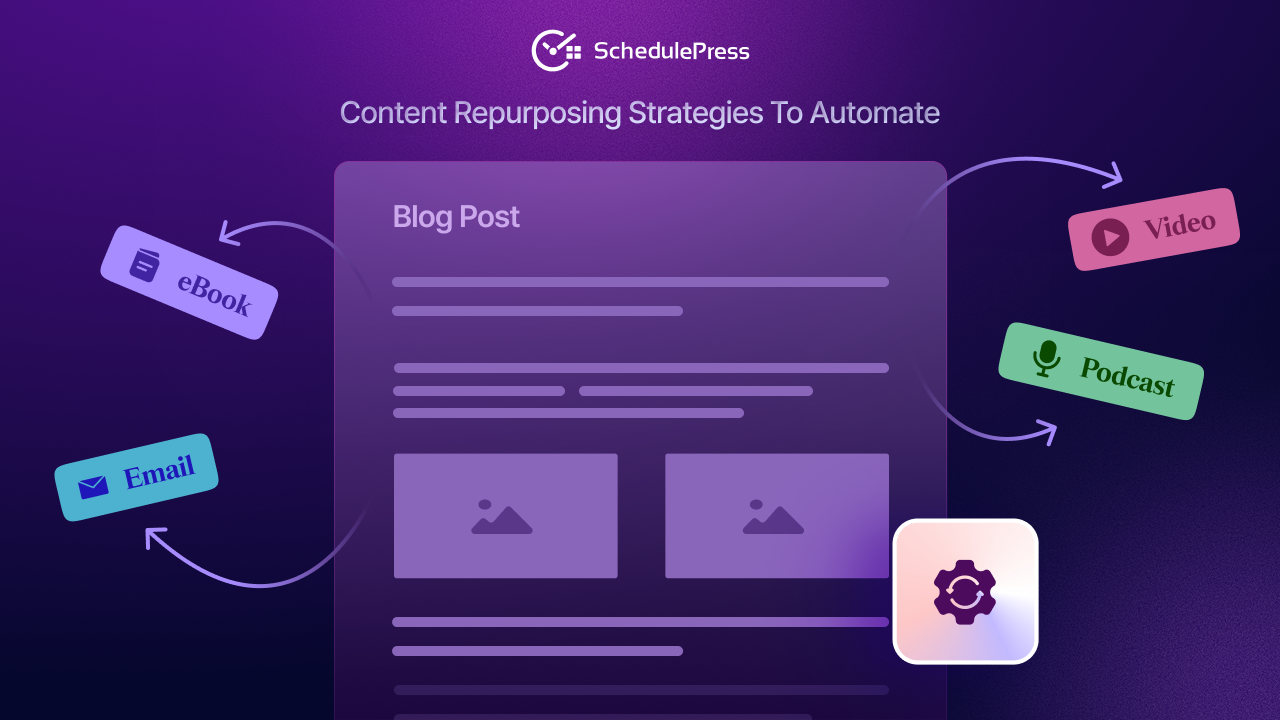
This keeps your content visible without manual effort and ensures your best work continues to perform. This approach saves time, increases reach, and reinforces brand consistency across platforms.
Final Thoughts: Writing Headlines That Work Long Term
Mastering how to write headlines is not about chasing trends or tricks. It is about understanding your audience, applying proven structures and continuously refining your approach based on real data. Great headlines are built through repetition, testing and strategic automation. With tools like SchedulePress, you no longer need to rely on intuition alone. You can build a repeatable system that turns every piece of content into a stronger growth asset.
If you want your content to reach more people, earn more clicks and drive sustainable results, following the headline writing tips can make the highest impact. If you want more tips and tutorials like this, be sure to subscribe to our blog and join our friendly Facebook Community to stay updated with the latest WordPress trends and social media marketing insights.