
Learning how to write a newsletter is less about writing talent and more about building a repeatable system you can maintain. A newsletter works when readers know what they will get, when they will get it and why it matters. If your newsletter feels random, people stop opening it even if the content is good.
This guide keeps the same practical direction as the original blog and trims the extra repetition. You will see a clear process for how to write a newsletter that feels focused, readable and consistent from issue to issue.
Things to Consider Before Starting a Newsletter
Before you start drafting your first issue, take a few minutes to set the foundations that will keep your newsletter consistent and sustainable. These early decisions shape everything that comes next, including your tone, your topic choices and how often you can realistically show up in your readers’ inboxes. When you are clear on these points, it becomes easier to plan each edition, avoid unnecessary rewrites and build trust with subscribers over time.
Start with a Clear Newsletter “Promise”
Before you draft your first issue, decide what your newsletter stands for. Your promise is the simplest sentence that tells readers what you deliver and why they should keep reading. When you define this early, every issue becomes easier to write because you have a filter for what belongs.
If you feel stuck on how to write a newsletter that people care about, start here. A strong promise protects your time because you stop trying to cover everything.
Examples of newsletter promises (pick one style and stick to it):
- Weekly lessons for beginners in your niche
- Curated links with short opinions and takeaways
- Practical updates from your product or community
- A behind-the-scenes view of your work and what you are learning
Define Your Niche and Angle
A newsletter grows when it is specific. Broad newsletters have to compete with everything else in the inbox. Niche newsletters become the “one email I always open” because they match a clear interest.
When you decide on your niche, you also decide what you will ignore. That is a good thing. This clarity makes how to write a newsletter feel simpler because you stop chasing topics that do not fit your audience.
Know Who You Are Writing for
You do not need a complex persona document, but you do need a real reader in mind. Picture one person who is likely to subscribe and ask what they want help with right now. If you write to everyone, your message becomes soft and forgettable.
A useful newsletter content strategy starts with the reader’s needs, not with what you want to say. When you match the reader’s goals, you improve opens, clicks and replies over time.
Choose a Format You Can Repeat
Consistency comes from structure. If each issue has a familiar layout, readers feel comfortable and you write faster. Your layout can be as simple as long as it stays stable.
If you are learning how to write a newsletter for the long term, pick a format you can reuse even on busy weeks. A repeatable format also supports a cleaner email newsletter experience because it is easy to scan.
Common newsletter formats that stay sustainable:
- One main story + one quick tip + one link
- Three short sections with headers
- Curated links with a short “why it matters” note
- A weekly roundup of your WordPress content with commentary
Decide Your Newsletter Frequency and Protect It
Your newsletter frequency should match what you can deliver without burnout. Weekly works well for many creators because it is frequent enough to stay top of mind but not so frequent that writing becomes stressful. Biweekly can also work if you stay consistent and the value is strong.
When your newsletter frequency changes often, readers lose trust. If you want to master how to write a newsletter that people depend on, keep your schedule predictable.
Plan Topics with a Simple Content System
You do not need 50 topic ideas at once. You need a small pipeline that keeps you from staring at a blank page. A practical newsletter content strategy is built around themes you can return to again and again.
Choose 3 to 5 themes and rotate through them. This keeps variety without losing focus. It also makes subscriber growth easier because new readers quickly understand what they will receive.
Example themes:
- Beginner lessons
- Mistakes and fixes
- Tools and workflows
- Short case studies
- Opinions on current trends
Draft the Subject Line Before You Write the Body
Your newsletter subject line is the gatekeeper. A strong subject line does not need hype, it needs clarity. It should hint at a specific benefit, a clear lesson or a curiosity hook that matches the content honestly.
If you are practicing how to write a newsletter that gets opened, treat the subject line as part of the writing, not as a last-minute afterthought. Over time, your subject lines become a recognizable style that readers trust.
Subject line patterns that stay clear:
- The problem + the fix
- A lesson you learned this week
- A simple question your reader cares about
- A specific result with a real context
Write an Opening that Earns Attention
The first few lines decide whether your email gets read or skimmed. Start with a quick moment that frames the issue: a problem, a quick insight or a short story. Do not take too long to get to the point because people read emails fast.
A good email newsletter opening feels like a conversation, not a formal essay. If you want to improve how to write a newsletter quickly, focus on openings and clarity before you focus on fancy formatting.
Keep the Body Skimmable and Purposeful
Long newsletters can work, but only when they are structured. Use short paragraphs, clear section headers and a single main idea per section. Your reader should be able to skim and still collect the core message.
This is also where your newsletter content strategy shows up. When each section has a purpose, your writing becomes tighter and your newsletter becomes easier to finish.
A simple structure for most issues:
- One main idea with an example
- One supporting tip or checklist
- One link or resource
- One call to action that fits the theme
Include One Clear Call-to-Action
A call to action does not need to be a sales pitch. It can be a question, a request for replies or a link to a helpful post. The key is that it is clear and it matches the issue’s goal.
When you consistently include one call to action, you get better feedback and higher engagement. That engagement supports subscriber growth because replies and shares increase trust.
Use WordPress to Support the Newsletter Workflow
Even though the newsletter is sent through email, WordPress often sits behind the system. You might publish supporting posts, create landing pages for signups and archive past issues as blog posts. This helps people discover your work through search and then subscribe.
If you publish weekly articles, you can also turn your WordPress content into a newsletter edition. A tool like SchedulePress can help you schedule your WordPress posts and keep your publishing calendar steady, which makes it easier to plan newsletter issues around your content rhythm.
How to Automate Your Newsletter Workflow with SchedulePress
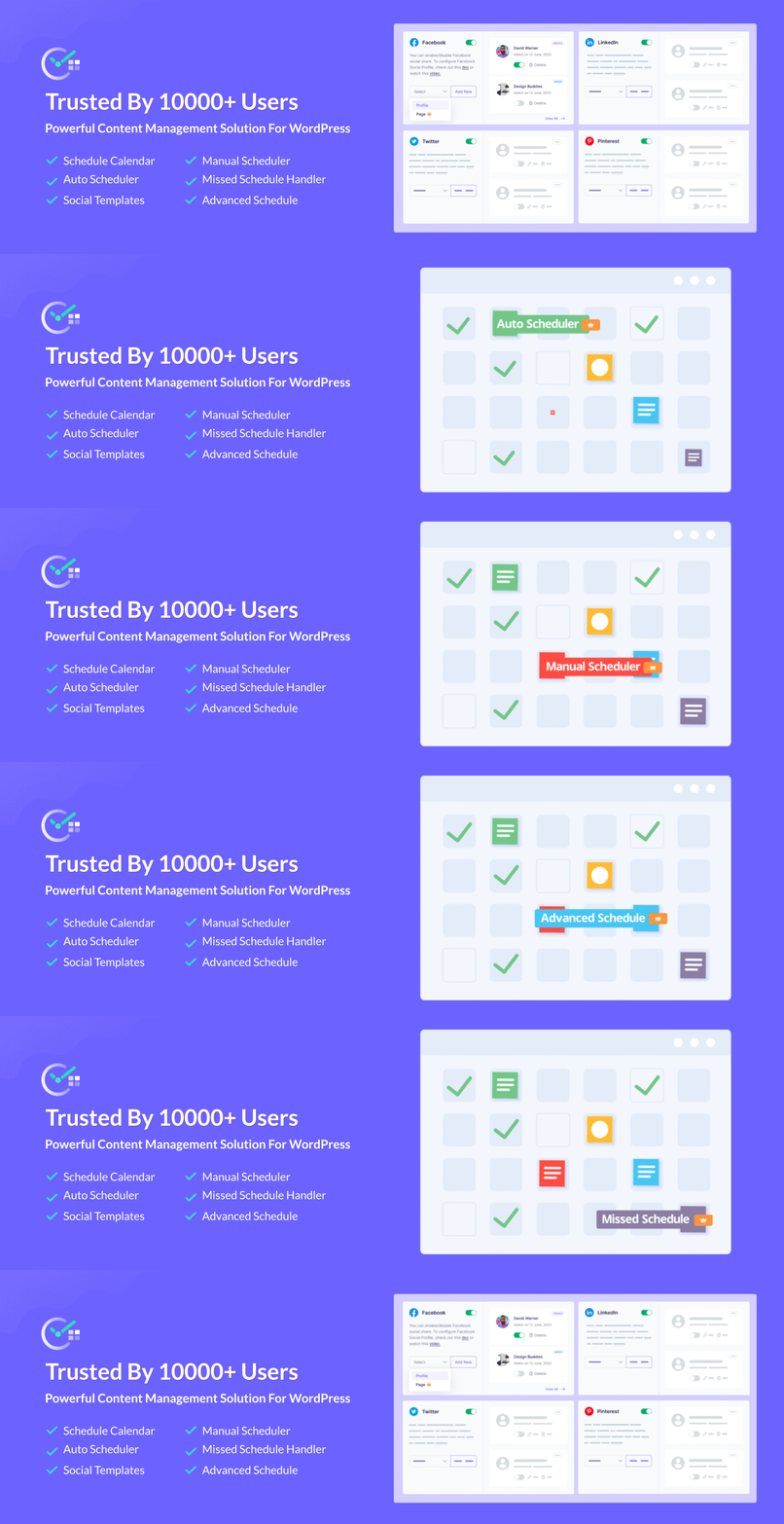
If your newsletter depends on fresh content from your WordPress site, automation can remove a lot of weekly friction. Instead of publishing posts manually then rushing to share them across channels, you can set a predictable rhythm where content goes live on schedule and your newsletter stays aligned with your editorial plan. This is especially helpful when you manage multiple drafts, collaborate with a team or publish at specific times for your audience.
SchedulePress plugin helps you build that system inside WordPress by combining scheduling, planning and distribution tools in one workflow. When the publishing side is reliable, it becomes easier to focus on how to write a newsletter that delivers value rather than spending your time on repetitive steps.
Plan Your Newsletter Content Using a Visual Calendar
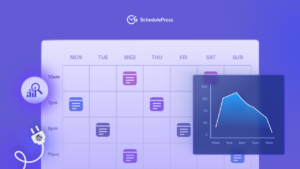
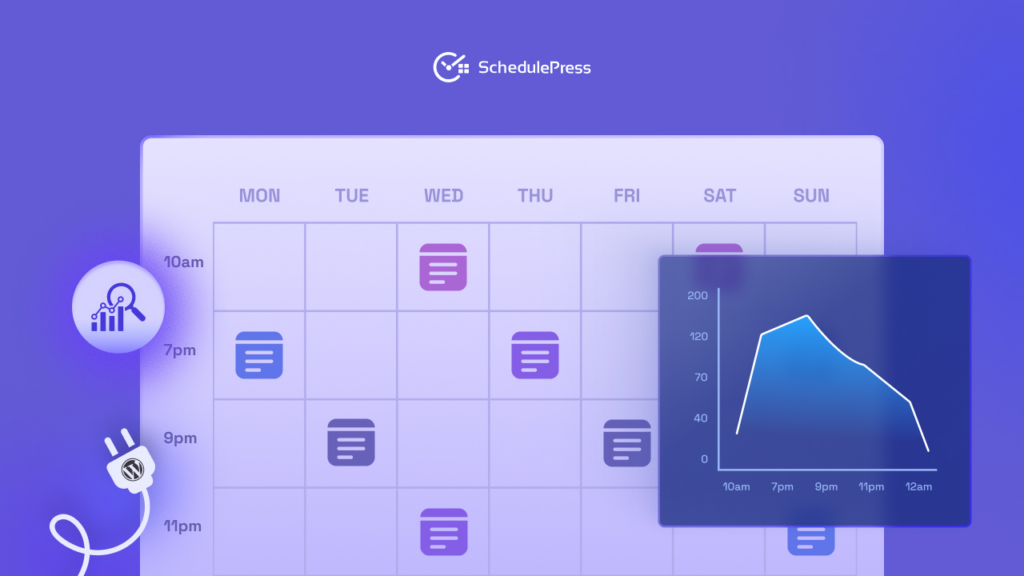
A newsletter is easier to write when you can see what content will be published before you send it. With SchedulePress, you can organize upcoming posts using a drag-and-drop calendar view. This lets you map out your weekly topics, avoid repeating the same theme too often and plan newsletter issues around the posts that are going live.
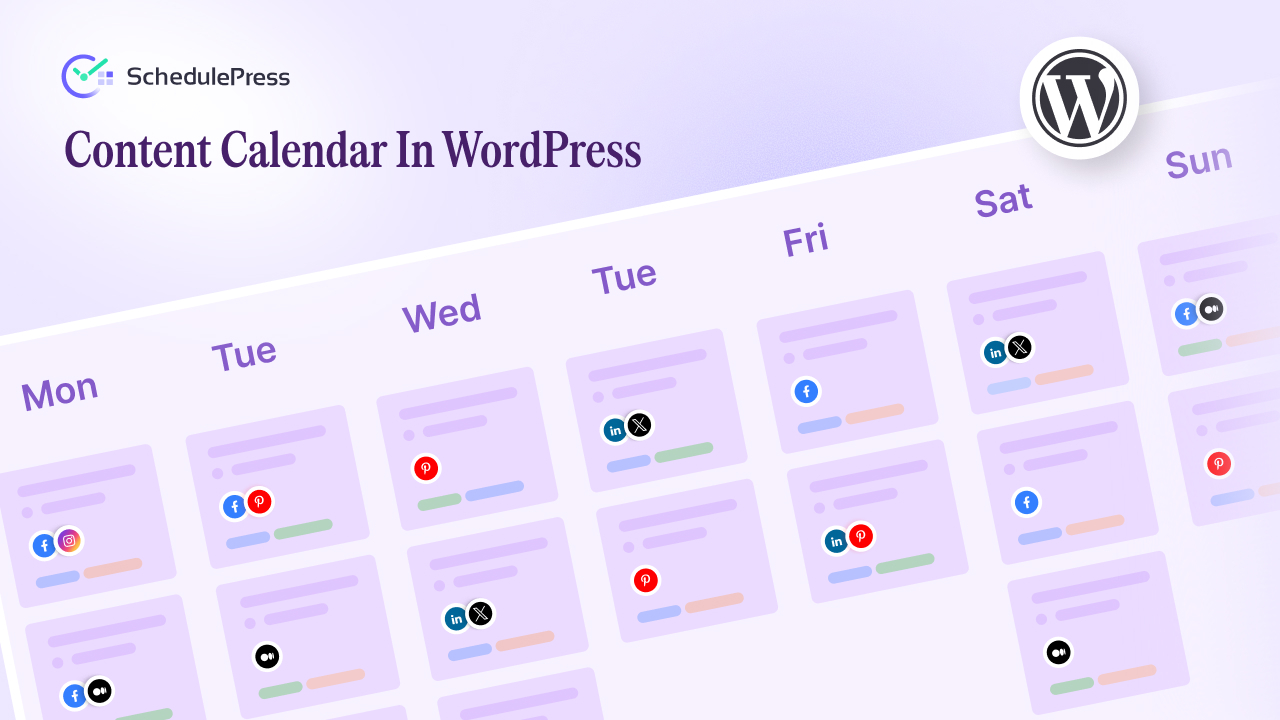
When you have a clear calendar view, your newsletter planning becomes less reactive. You can prepare sections early, collect resources in advance and keep your workflow consistent even during busy weeks.
Schedule Posts Automatically to Match Your Sending Cadence
If your newsletter goes out every week, your site content should support that rhythm. SchedulePress includes an auto-scheduling option that can publish drafts automatically based on a defined schedule. That means you can batch-write posts, place them in the queue and let the system publish them at the right times.

This also reduces “deadline panic.” When your posts are scheduled ahead, you can focus on polishing the newsletter and making it more engaging rather than scrambling to publish something at the last minute.
Prevent Missed Publications that Disrupt Your Newsletter
One of the biggest newsletter workflow problems is when a post does not publish on time. If your issue references a post that is still in draft or missed its schedule, your newsletter feels broken and your readers notice. SchedulePress includes a missed schedule handler that can help ensure scheduled posts publish even if WordPress timing tasks fail.
That reliability keeps your content pipeline stable. Your newsletter can confidently link to posts knowing they will be live when the email goes out.
Auto-share New Posts, So Promotion Stays Consistent
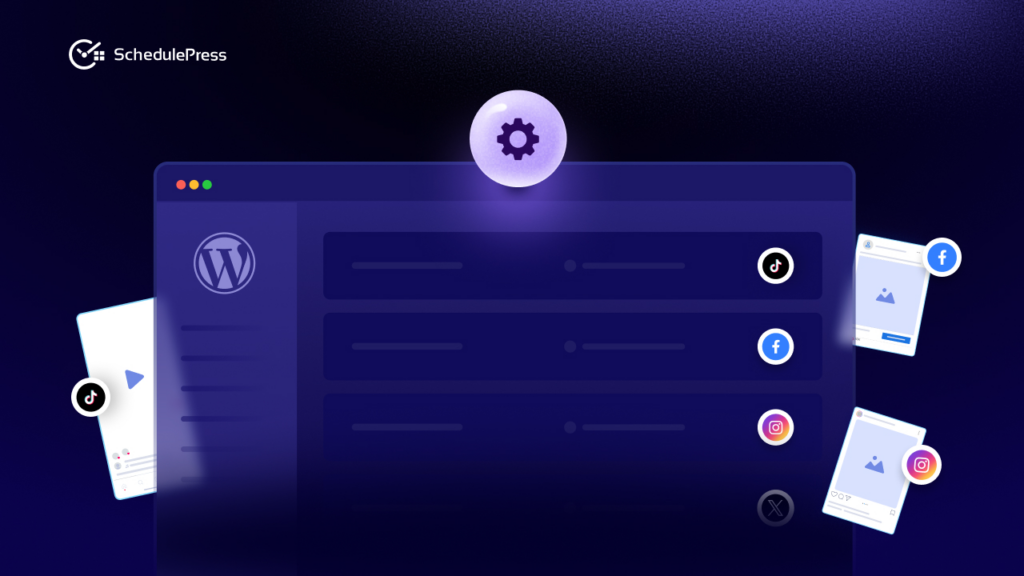
A newsletter often works best when it is part of a bigger distribution loop. Your posts go live, your social channels share them and your newsletter brings people back to the site. SchedulePress supports auto social sharing so newly published posts can be shared automatically to connected platforms using templates.
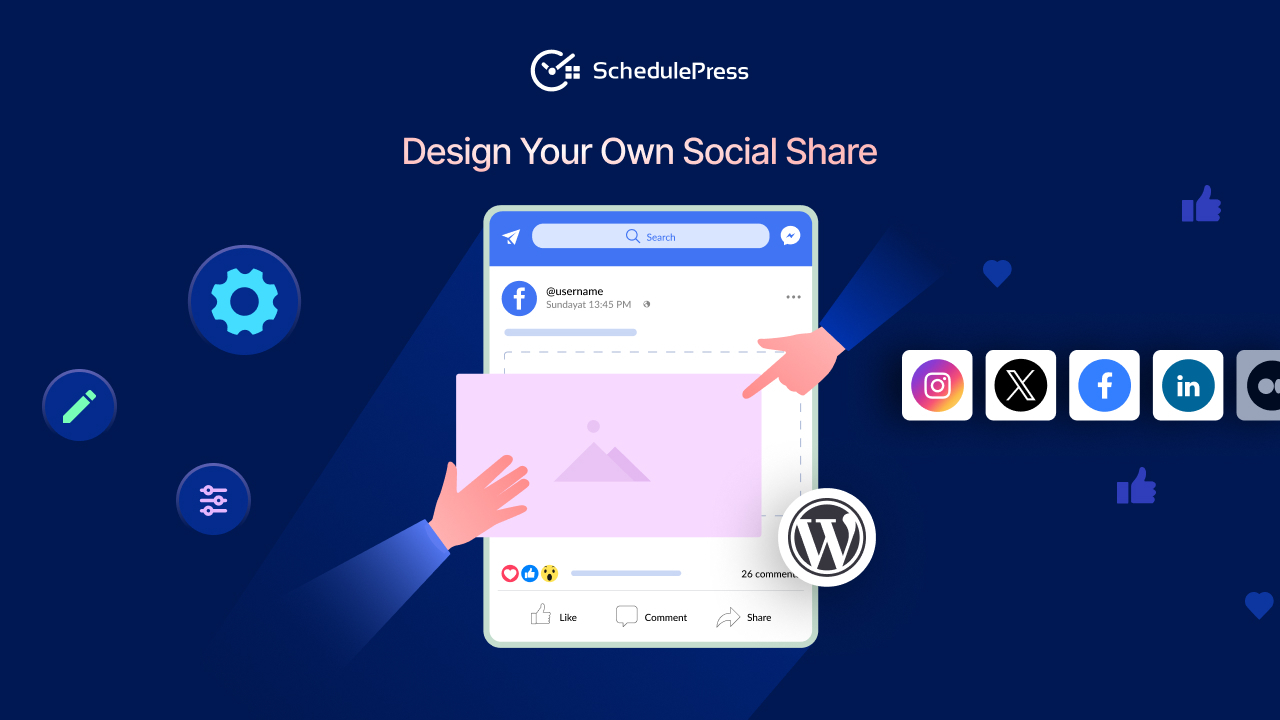
This helps you stay consistent without extra effort. Your newsletter becomes one part of a coordinated system rather than a weekly task that lives in isolation.
Build a Repeatable Workflow You Can Maintain
Automation works best when it supports your habits. A simple system is usually enough: plan posts in the calendar, schedule them ahead and then write the newsletter using that publishing plan as your outline. When SchedulePress handles the publishing timing and sharing tasks, your weekly focus can stay on writing and improving the newsletter itself.
If your goal is to grow a newsletter without burning out, this kind of workflow is a practical step forward.
Demystifying Key Newsletter Metrics
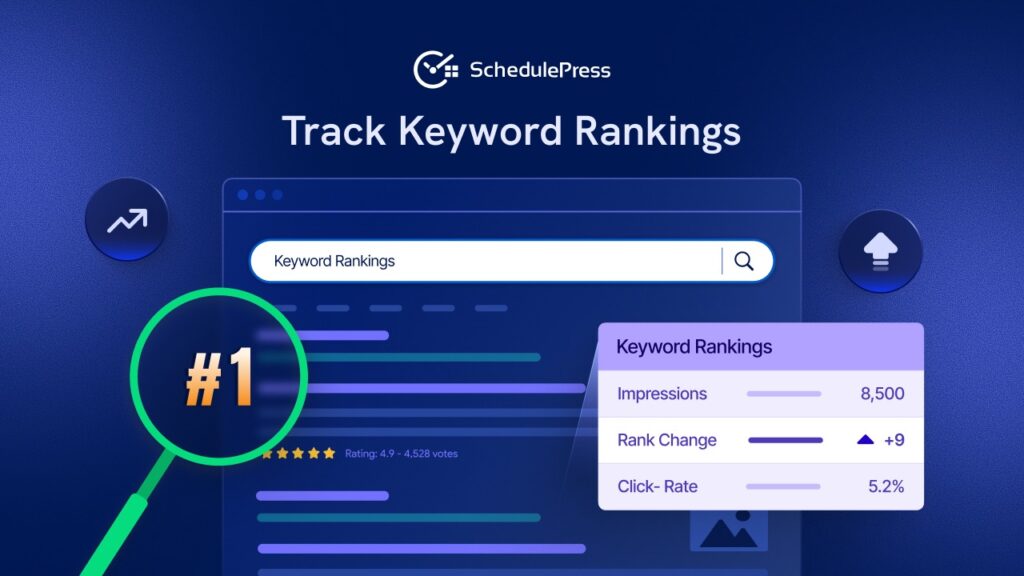
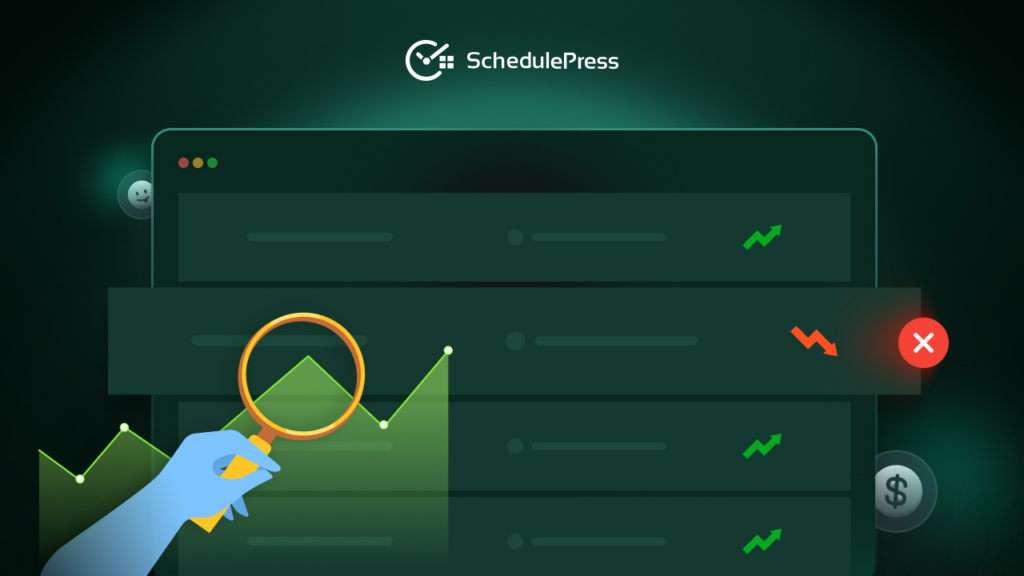
You do not need to be a data expert to improve. A few newsletter metrics can tell you what is working and what needs adjustment. The point is not to chase vanity numbers; it is to learn what your audience responds to.
When people ask how to write a newsletter that gets better over time, the answer is simple: write, measure, refine and repeat.
Open Rate
Open rate is the percentage of subscribers who open your email. It reflects the strength of your newsletter subject line and how much trust your audience has in your newsletter’s promise. If open rate drops, your subject lines may be unclear or your value may not feel consistent.
Click-through Rate
Click-through rate tracks clicks on links inside your email. This is a useful sign of interest because it shows readers are taking action. If your click-through rate is low, your links might not feel relevant or your call to action might be weak.
Unsubscribe Rate
Unsubscribe rate is normal. People’s needs change. What matters is the trend. If unsubscribe spikes, check whether your newsletter frequency changed suddenly or your content drifted away from the original promise. These newsletter metrics are enough to guide most improvements without turning your writing into a spreadsheet exercise.
Going Beyond Numbers with Qualitative Feedback
Numbers tell you what happened. Feedback tells you why. The fastest way to learn what your readers want is to invite replies. Ask a simple question at the end of the email, such as “What should I cover next?” or “What part was most useful?”
This kind of feedback strengthens your email newsletter because it turns a broadcast into a conversation. It also supports subscriber growth because people are more likely to share newsletters that feel personal and responsive.
Easy ways to collect feedback:
- Ask one question and invite replies
- Run an occasional poll or short survey
- Encourage readers to share their own experiences related to the topic
Have Questions about How to Write a Newsletter? Here Are Clear Answers
This section keeps the same kind of practical Q&A from the original article and removes repeated points.
How do I find my unique voice and tone?
Your voice is already there. The goal is to write like a real person, not like a template. Start with clarity and honesty, then add personality through examples and small opinions. Over time, your style becomes familiar to readers, which improves trust and opens.
Your newsletter content strategy should match your voice. If you are naturally concise, write shorter issues with sharper ideas. If you are naturally story-driven, use stories but keep the lesson clear.
What is the perfect sending frequency?
There is no universal best. The best newsletter frequency is the one you can maintain without quality dropping. Weekly is a strong baseline for many creators, but biweekly can work well if each issue is valuable and consistent.
If you change newsletter frequency often, your audience will not know what to expect. Predictability is part of good newsletter writing.
How can I grow my subscribers ethically?
Ethical subscriber growth comes from delivering value and making it easy to subscribe. Improve your signup placement on your site, write a clear promise on the signup page and invite readers to share the newsletter with a friend. You can also repurpose your best newsletter points into WordPress posts that attract search traffic.
Focus on quality over hacks. If your email newsletter helps people, growth happens naturally over time.
How do I avoid running out of ideas?
Build a topic bank. Every question you receive can become an issue. Every mistake you make can become an issue. Every lesson you learn can become an issue. This is why replies matter: they feed your pipeline and improve your next edition.
A stable newsletter content strategy is built from recurring themes. When you rotate themes, you always have something to write.
Keep Your Newsletter Simple and Consistent
If you take one lesson from this guide, let it be this: mastering how to write a newsletter is about repeatable structure and steady improvement. Define your promise, write for a clear reader, keep your format stable and review your newsletter metrics to guide small changes.
You do not need to write the perfect issue. You need to write the next issue and learn from it. When you do that consistently, how to write a newsletter becomes a skill you can rely on.
If you have found this blog helpful, share your opinion with our Facebook community. You can subscribe to our blogs for valuable tutorials, guides, knowledge, tips, and the latest WordPress updates.