Choosing between Buffer vs Hootsuite can feel simple at first: both help you plan posts, schedule content and stay consistent. But for many WordPress publishers, the real challenge is not “Which tool is better?” It is “Which workflow wastes less time while still helping me grow?”
If you write and publish inside WordPress, you already have a content engine. What you need is a smooth way to connect that engine to your social channels, without constant tab switching, copy-paste routines and last-minute posting stress. In this guide, we will compare two tools in a friendly, practical way, then show why a WordPress-first approach like SchedulePress can be a smarter alternative for publishers who want speed and simplicity.
Buffer vs Hootsuite in One Glance
Before we go deep, let us set expectations. Buffer and Hootsuite are both established tools and both can do a solid job when you need a standalone social media dashboard. The difference is mostly about how you work and how complex your needs are.
Here is a quick way to think about it:
- Buffer is often loved for its clean interface, straightforward scheduling and low learning curve. It is built for consistent posting with minimal fuss.
- Hootsuite is often chosen for team workflows, monitoring and more “command center” style management. It can feel heavier but it can also cover more operational needs.
In other words, Buffer vs Hootsuite is not a battle of good vs bad. It is a choice between simplicity and breadth, depending on your content goals and how many moving parts you manage.
What WordPress Users Actually Need From a Social Media Scheduling Tool
If your primary content home is WordPress, your needs are slightly different than a brand that publishes everything directly on social apps. You are managing blogs, updates, refreshes and evergreen posts that should keep working over time.
A strong social media scheduling tool for WordPress creators should help you:
- Plan content where it is created: your WordPress editor and calendar.
- Reduce context switching: fewer tabs, fewer tools, fewer manual steps.
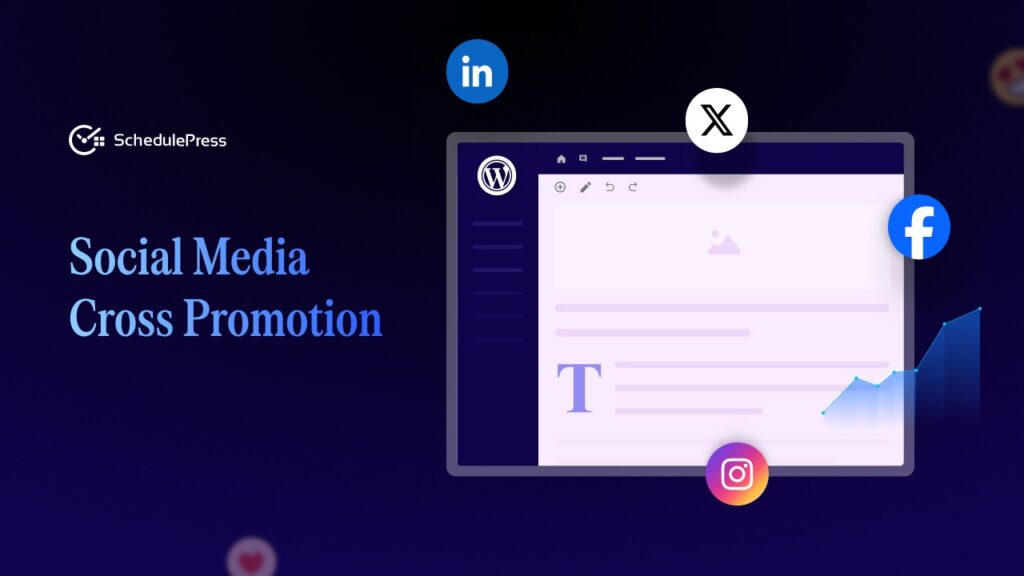
- Turn one post into multiple shares: keep your promotion active without rewriting everything every time.
- Support evergreen content: re-share older posts intelligently, so your best work continues to earn traffic.
- Keep a clear content calendar: campaigns and weekly plans do not turn into chaos.
- Enable repeatable promotion: with templates and rules, not constant manual effort.
When you look at Buffer vs Hootsuite through this lens, the question changes. You stop asking “Which platform has more features?” and start asking “Which platform fits a WordPress-centered workflow?”
Buffer: Where It Shines and Who It Is Best For
Buffer is popular because it makes scheduling feel approachable. You can set up posting schedules, build a queue, draft posts quickly and keep your publishing cadence steady without feeling overwhelmed.
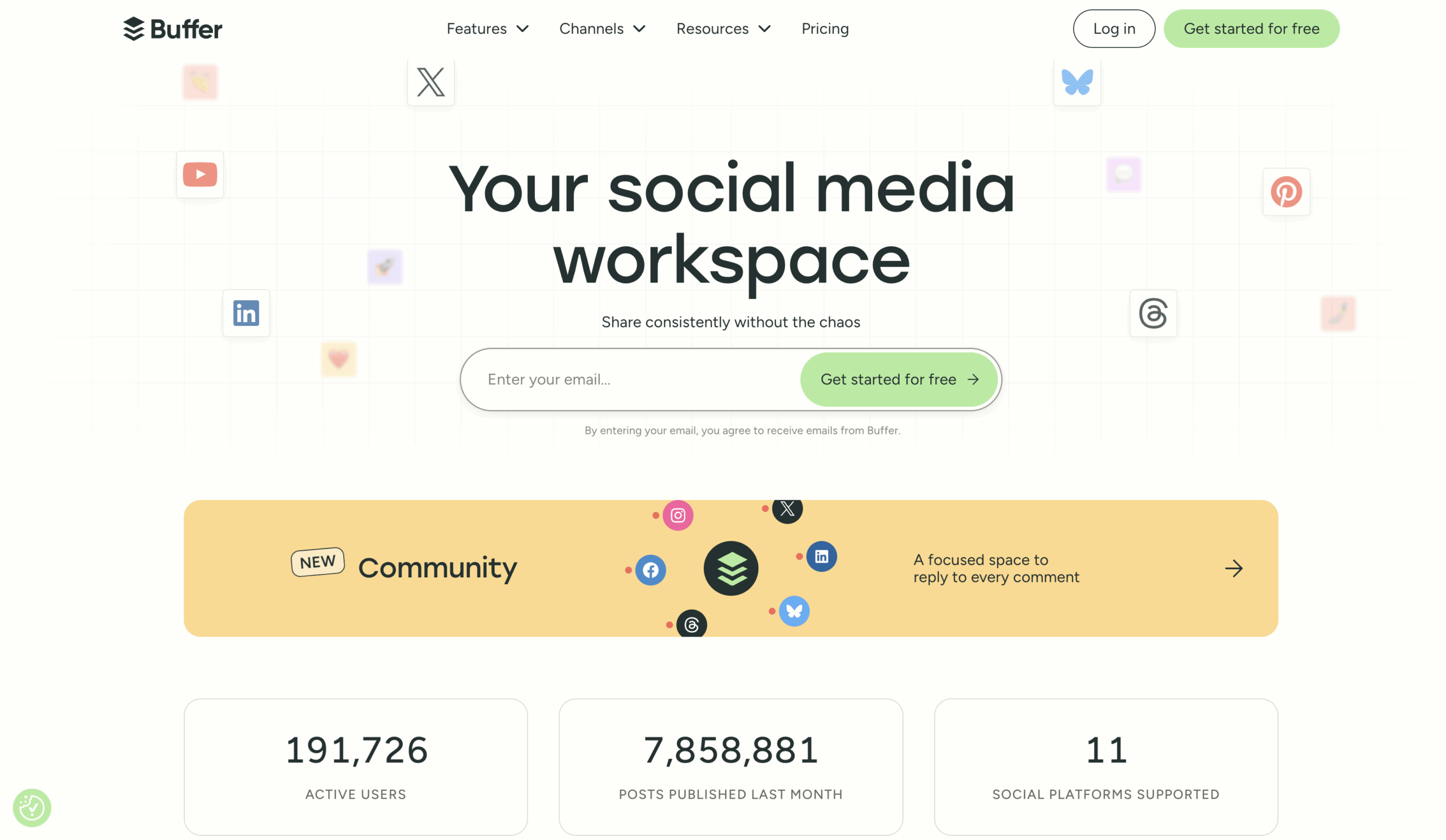
For many creators, Buffer is an excellent social media scheduling tool because:
- It keeps the interface clean and reduces clutter.
- It encourages consistent posting through simple scheduling patterns.
- It feels friendly for solo creators, bloggers and small teams who want fewer knobs and switches.
If your workflow is mostly social first, or if you want a lightweight tool to manage publishing windows, Buffer can be a strong fit. In the Buffer vs Hootsuite discussion, Buffer often wins when ease of use is the top priority.
That said, WordPress publishers often hit friction when they need a tighter connection between blog publishing and promotion. Buffer can schedule posts well, but it still lives outside WordPress, which can lead to manual steps.
Hootsuite: Where It Shines and Who It Is Best For
Hootsuite is built for a broader operational view. It is often used by brands and teams that need structure, approvals and monitoring across multiple channels.

Hootsuite tends to stand out as a social media scheduler when you need:
- More team coordination and role-based workflows
- Monitoring style views and response management
- A centralized place to oversee many streams and ongoing activity
In the Buffer vs Hootsuite comparison, Hootsuite often appeals to marketers managing multiple clients, departments or complex communication needs. If your social workflow includes collaboration, governance and more oversight, Hootsuite can feel like a better match.
For WordPress publishers, the tradeoff is that Hootsuite can feel heavier than what you need if your main goal is blog promotion and social sharing from WordPress.
Buffer vs Hootsuite: Key Differences That Actually Matter
Let us break down the most practical differences. This is where the Buffer vs Hootsuite choice becomes clearer based on your day-to-day workflow.
Ease of Setup and Daily Use
Buffer is typically faster to get comfortable with. You can connect accounts, set schedules and start posting with minimal training. It feels like a tool that wants you to move quickly.
Hootsuite can take more time to configure. It offers more layers, which is helpful for teams, but it can also feel like extra weight if you just want to promote blog posts consistently.
Content Calendar Experience
Both tools can help you plan posts, but the calendar still lives outside your website. For WordPress publishers, the best content calendar is the one connected to your editorial workflow, not one more place to check.
If you are already planning blog content in WordPress or a spreadsheet, you may end up maintaining two calendars: your editorial calendar and your social calendar. That duplication is where many creators lose time.
Evergreen Content and Re-Sharing
Evergreen promotion is a major growth lever for bloggers. Both Buffer and Hootsuite can support repeated sharing, but it often requires manual planning or ongoing queue management.
For WordPress creators, evergreen content works best when it is tied directly to categories, tags and publishing history. When evergreen rules live outside WordPress, you often spend more time maintaining the system than benefiting from it.
Templates and Reusable Messaging
Reusable templates are essential for scalable social media automation. Buffer and Hootsuite can help you speed up writing, but you still need to pull titles, links and excerpts from WordPress manually most of the time.
This is where WordPress native tools can feel more natural: dynamic tags and post-based fields make WordPress social sharing faster and more consistent.
Team Collaboration
If your content operation includes approvals, multiple stakeholders and complex workflows, Hootsuite can be a strong choice. Buffer can support collaboration too, but Hootsuite tends to be the stronger “team operations” style platform.
For many WordPress publishers, team collaboration happens around the editorial workflow itself. That is why editorial workflow management inside WordPress can matter more than collaboration features in a separate dashboard.
The Hidden Cost for WordPress Publishers: Context Switching
Even if you pick the best tool in the Buffer vs Hootsuite debate, WordPress publishers often face the same pain point: a disconnect between publishing and promotion.
Here is what that usually looks like:
- You finish a blog post in WordPress.
- You open another tool to craft captions and schedule shares.
- You copy the title, paste the URL, rewrite the description, find the image, repeat for each platform.
- You publish the post, then later you update the post, then you forget to update the social plan.
- You want to re-share evergreen content, but you have to rebuild the queue.
That is not a scheduling problem. It is a workflow problem. It slows down WordPress content planning, increases mistakes and makes consistency harder than it should be.
Where SchedulePress Fits In as a WordPress First Alternative
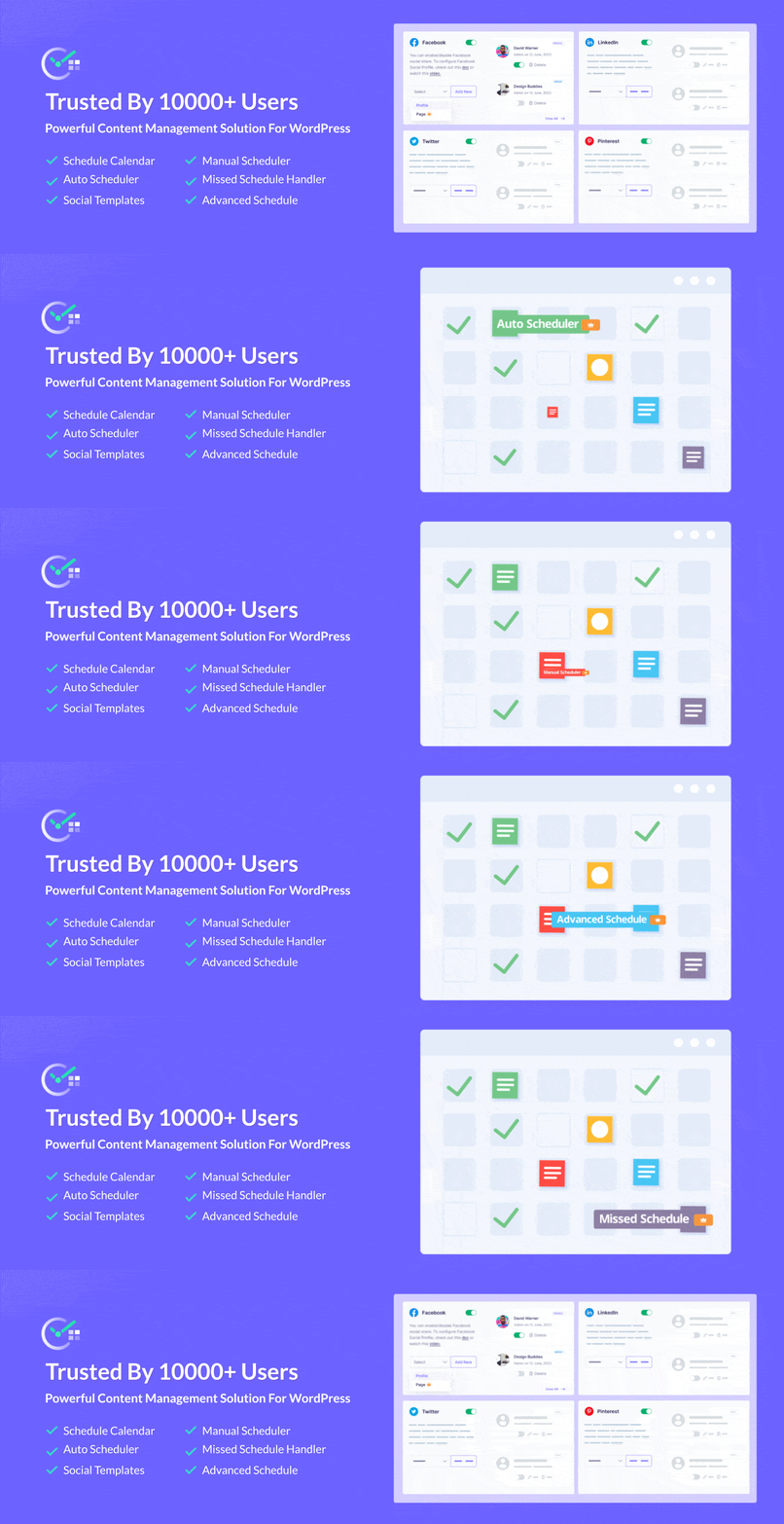
This is where a WordPress first approach changes everything. SchedulePress is built to bring scheduling and promotion into the same place you already work: your WordPress dashboard.
Instead of replacing Buffer or Hootsuite for every scenario, SchedulePress is designed to solve a specific WordPress publisher problem: how to publish and promote efficiently, without juggling tools.
If you have been comparing Buffer vs Hootsuite because you want consistency, the SchedulePress approach is worth considering because it focuses on:
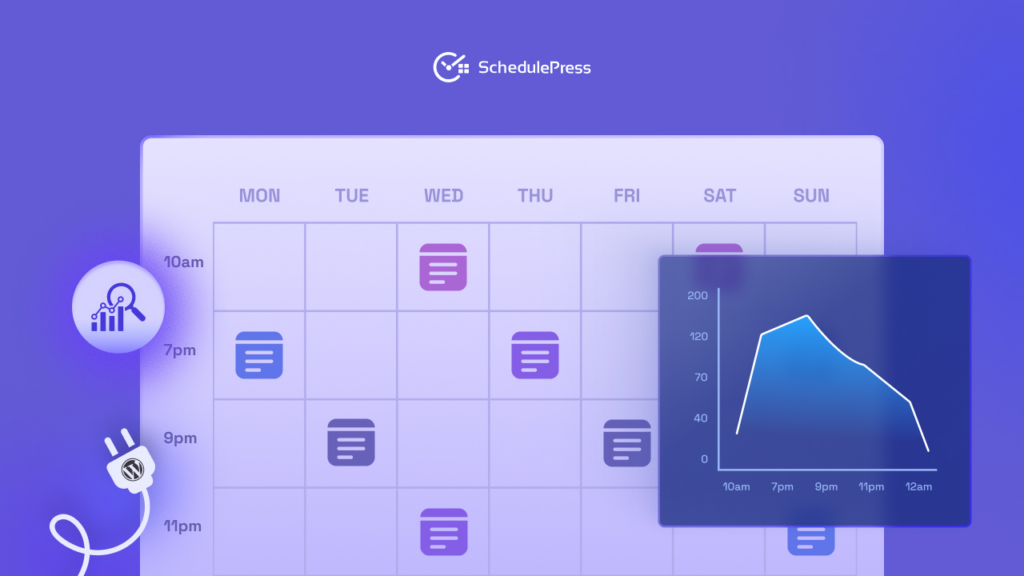
- WordPress content calendar planning directly inside WordPress
- Content scheduling automation for both publishing and social sharing
- Social media auto-sharing connected to posts, categories and editorial plans
- Reusable and custom templates so you do not rewrite captions from scratch every time
- Evergreen sharing that keeps older posts active with less effort
It is a different mindset: instead of “schedule posts on social platforms,” it becomes “build an integrated publishing and promotion workflow.”
A Practical Workflow: How WordPress Social Sharing Can Feel Effortless
Let us make it concrete. A WordPress first workflow is not just a feature list. It is a daily routine that saves time and reduces friction.
Step 1: Plan Your Month in a Content Calendar
You start by mapping out upcoming posts in a content calendar that lives inside WordPress. You can see drafts, scheduled posts and campaigns in one place, which makes planning feel visual and manageable.
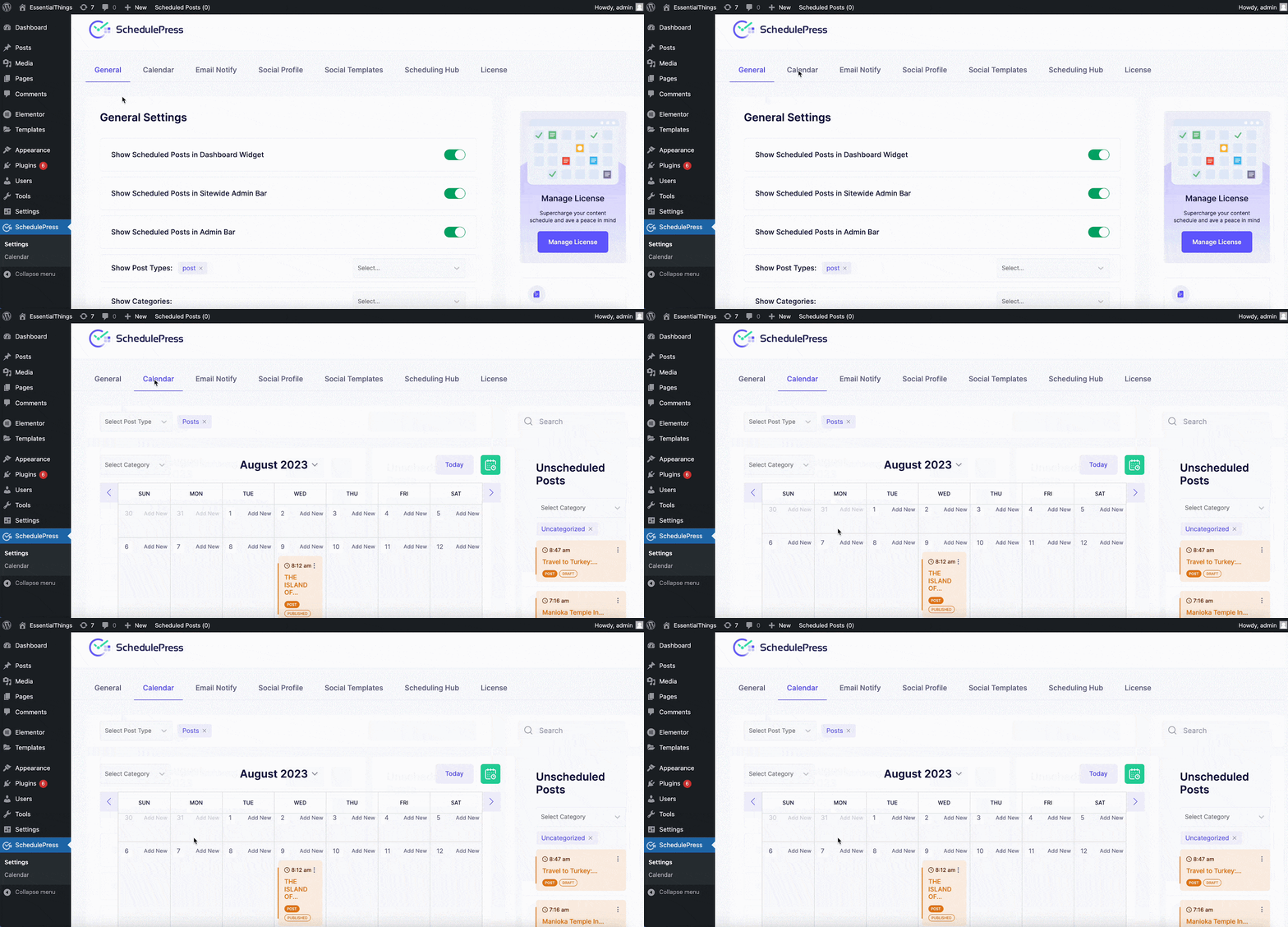
This step supports better WordPress content planning because you are not guessing what is coming next. You are building a schedule you can actually follow.
Step 2: Publish with Content Scheduling Automation
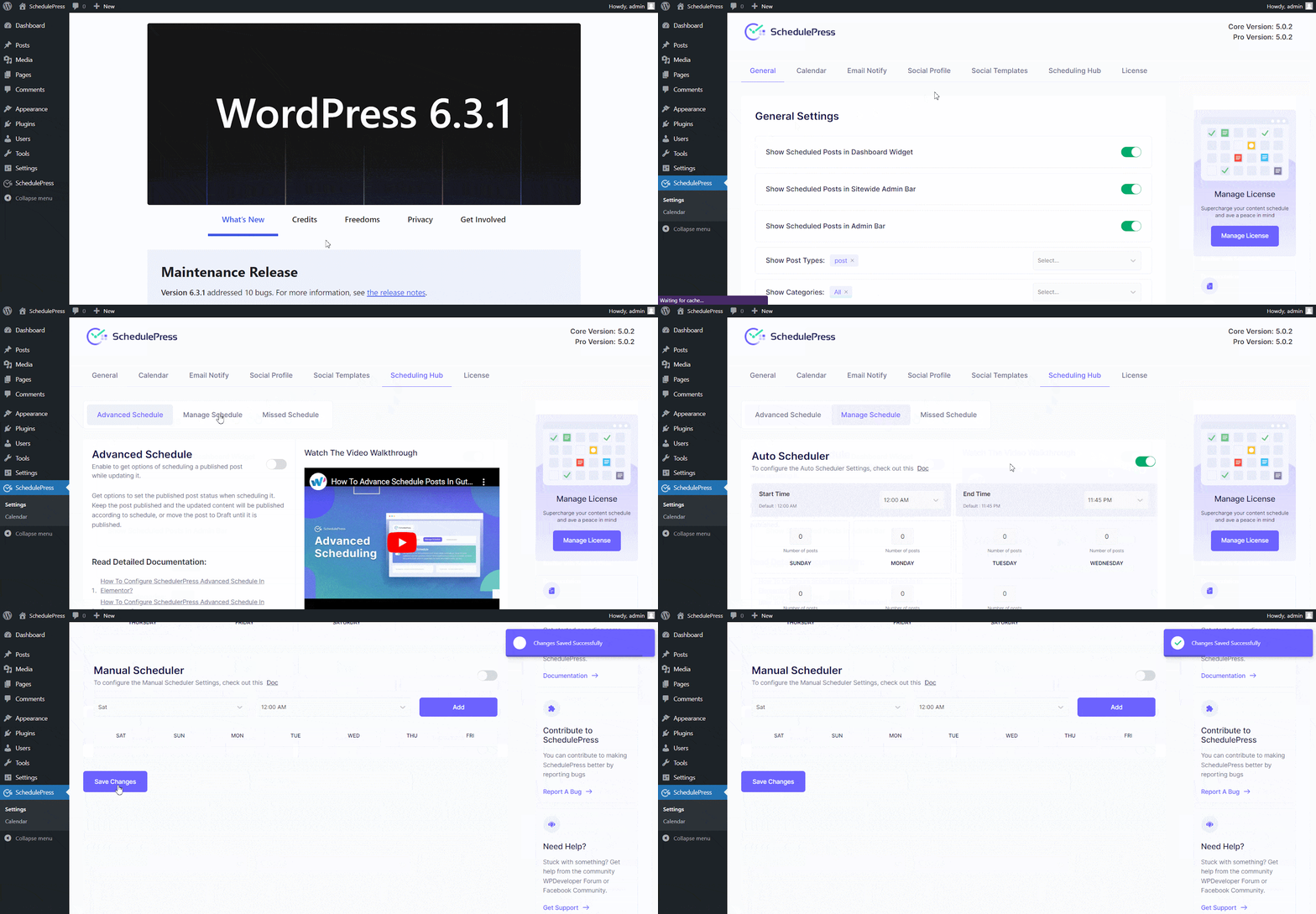
When your post is ready, you schedule it once. WordPress handles the publish date and SchedulePress supports content scheduling automation with a scheduling hub that offers auto and manual schedulers, so your editorial plan does not rely on reminders or manual publishing. This reduces missed deadlines, improves consistency and helps you maintain momentum during busy weeks.
Step 3: Create Reusable & Custom Social Templates
Instead of writing a new caption every time, you set up templates with dynamic fields like post title, excerpt and URL. Plus, you can leverage the custom social templates feature to craft brand-specific captions for each platform. This improves WordPress social sharing because every share stays on brand, consistent and quick to generate.
Over time, templates become part of your editorial workflow management system. You build repeatable patterns, not random posting habits.
Step 4: Turn on social media auto-sharing
When the post goes live, SchedulePress can trigger social media auto sharing based on your selected networks and templates. You are not bouncing between tools or trying to remember to promote content after publishing.

This is where social media automation becomes practical. The system works in the background while you focus on content and community.
Step 5: Keep evergreen content working
After a few weeks, you can set rules to re-share evergreen content from specific categories or tags. This keeps your best posts circulating without rebuilding queues manually.
For bloggers, evergreen content is often the difference between slow growth and compounding growth. A WordPress-connected system makes evergreen sharing easier to manage over time.
When Buffer or Hootsuite Still Makes Sense
A friendly comparison should be honest. There are situations where Buffer or Hootsuite may still be the right tool, even if SchedulePress is a better fit for WordPress publishing workflows.
You might lean toward Buffer or Hootsuite if:
- Your content is mostly created outside WordPress and posted directly to social platforms
- You rely heavily on monitoring and engagement management in a unified dashboard
- You need extensive team operations, approvals and oversight across multiple brands
- Your social strategy includes complex non-WordPress content pipelines
In those cases, the Buffer vs Hootsuite decision still matters. But if your primary work happens in WordPress, the bigger win is reducing workflow friction and keeping everything connected.
Making Buffer vs Hootsuite Easier for WordPress Publishers
The smartest takeaway from Buffer vs Hootsuite is that both tools can be useful, but neither is built specifically around the WordPress publishing experience. Buffer keeps things simple and Hootsuite covers more operational ground, and both can support consistent social activity.
For WordPress publishers, the best choice often depends on where you want your workflow to live. If you want a separate social dashboard, Buffer or Hootsuite can help. If you want an integrated content calendar, reliable content scheduling automation and seamless social media auto sharing tied directly to your posts, SchedulePress can be a more natural fit.
If you are currently comparing Buffer vs Hootsuite because you want to save time and post consistently, consider testing a WordPress first workflow. When planning, publishing and WordPress social sharing happen in one place, it becomes easier to stay consistent, promote evergreen content and grow without feeling buried under tools.
If you want more tips and tutorials like this, be sure to subscribe to our blog and join our friendly Facebook Community to stay updated with the latest WordPress trends and social media marketing insights.