
A strong first impression is not optional anymore. When someone lands on your blog, they decide within seconds whether you are worth their time. That is why a clear blogger introduction example can do more than sound nice; it can turn a casual visitor into a subscriber.
In this guide, you will find seven practical templates you can adapt to your niche. Each blogger introduction example is designed to help you communicate your niche statement, your value proposition and your personal brand without sounding forced.
Why Your Blogger Introduction Matters
Your introduction sets expectations. It tells readers what you write about, who it is for and why they should trust you. When your intro is vague, your content can still be good, but people will not feel confident about staying.
A good intro also creates consistency across your blog bio, your about me page and your social profiles. That consistency helps your personal brand feel real and memorable.
Things to Consider Before Writing a Newsletter-Style Intro for Your Blog
Even if you are not writing an email yet, many bloggers use newsletter-style openings on their homepage and about me page. Before you draft, make sure you know what you want readers to do next and what “success” looks like for your blog. When you get these basics right, your intro becomes easier to write and easier to refine later. You can list the following items to consider.
What Every Strong Blogger’s Introduction Should Include
Before you pick a template, make sure you cover the essentials. You do not need all of them in every line, but you should include them across your first few sentences.
- A clear niche statement so readers know what your blog is about
- A simple value proposition so readers know what they gain
- A personal detail that supports your personal brand
- A next step, such as “read this guide” or “join the list”
If you want a reliable blogger introduction example, keep these parts visible. They also help your blogger bio and author bio page feel aligned instead of scattered.
1. The Hook Template: Start with a Bold Line
Hooks work because they create curiosity. A hook can be a surprising statement, a short confession or a sharp promise. The goal is not drama; the goal is attention that matches your content. Use this blogger introduction example when your audience is busy and you need to capture their attention quickly.
Template:
“If you are tired of ______, you are in the right place. I help ______ do ______ without ______.”
How to apply it:
Write one sentence that names the pain clearly. Follow it with a niche statement and a value proposition. Then add a short line that reflects your personal brand so it feels human.
2. The Personal Story Template: Lead with a Real Moment
A short story builds trust fast because it shows context. You do not need a life history; you only need one relevant moment that explains why you started writing. When you connect the story to your reader’s problem, it becomes useful rather than self-focused. Use this blogger introduction example when your blog bio needs warmth and credibility without sounding salesy.
Template
“I started this blog after ______. Along the way I learned ______. Now I share ______ so you can ______.”
How to apply it:
Keep the story short. Make the lesson clear. Then transition into your niche statement and value proposition so readers understand the purpose of the blog.
3. The Question Template: Pull Readers into a Conversation

Questions work because they invite agreement. If you ask the right question, readers feel seen. It also makes your introduction feel like a dialogue, which fits many personal brand styles. Use this blogger introduction example when your about me page feels too formal and you want it to feel more direct.
Template
“Have you ever ______? If yes, you are not alone. Here you will learn ______ so you can ______.”
How to apply it:
Choose a question that your target reader would answer “yes” to immediately. Follow it with a clear niche statement and a practical value proposition. Finish with one sentence that signals your voice and style.
4. The PAS Template: Problem, Agitation, Solution
This format is popular because it is structured. You identify a problem, describe the cost of staying stuck and then present your blog as the solution. It works well for instructional blogs and business-focused creators.
Use this blogger introduction example when your niche is problem-driven and your audience wants a clear outcome.
Template
“The problem: ______. The frustrating part: ______. The better way: ______. That is what I share here.”
How to apply it:
Do not overdo the “agitation” section. Keep it honest and relatable. Then make your solution specific using an audience positioning statement and a value proposition that fits your blogger bio.
5. The Niche Statement Template: Say Exactly what You Do
Sometimes the best intro is the clearest intro. If you know your niche, you can lead with it. This approach is excellent for new readers because it removes guesswork and reduces bounce. Use this blogger introduction example when you want your personal brand to feel confident and focused.
Template
“I write about ______ for ______. You will find ______, ______ and ______ to help you ______.”
How to apply it:
Name your niche in plain language. Add a short list of content types, but keep it tight. Then reinforce the value proposition with a simple result readers can expect.
6. The Expertise Template: Show What You Know without Bragging
Expertise intros work best when they focus on what your experience helps the reader achieve. You can mention credentials, years of work or key results, but keep it connected to outcomes. Use this blogger introduction example when you are building trust in a competitive topic and you want your blogger bio to feel credible quickly.
Template
“I have spent ______ years doing ______. Here I share what works so you can ______. If you are looking for ______, you are in the right place.”
How to apply it:
Keep credentials short and relevant. Add one sentence that confirms your customer persona statement. Then present a clear value proposition that explains what your reader will get from your blog.
7. The Proof Template: Use results, social proof or a simple claim
When you have proof, use it. Proof can be a measurable result, a publication mention or a simple outcome your readers have achieved. The key is to keep it believable and not overhyped. Use this introduction example when you are refining your author bio page and you want it to convert better.
Template
“Thousands of ______ have used these ideas to ______. I share step-by-step guidance on ______ so you can ______.”
How to apply it:
Choose one proof point and state it clearly. Then connect it to your target audience and value proposition. Add a short personal line so your personal brand stays visible.
Quick Checklist to Refine Your Introduction
Even the best template needs a final polish. Read your intro out loud and check whether it sounds like you. Then confirm that a new reader can understand your topic and your promise in one pass.
Use this checklist to refine any introduction example:
- Your ideal customer statement is clear in the first two or three sentences
- Your value proposition explains what readers gain
- Your blogger bio and about me page match the same personal brand message
- Your tone feels natural and consistent
How SchedulePress Can Support Your Publishing Routine
An intro is not the finish line; it is the start of the reader relationship. After you publish a strong blogger introduction example, the next challenge is showing up consistently with content that fulfills that promise. Consistency is where many blogs fall apart, especially when life gets busy.
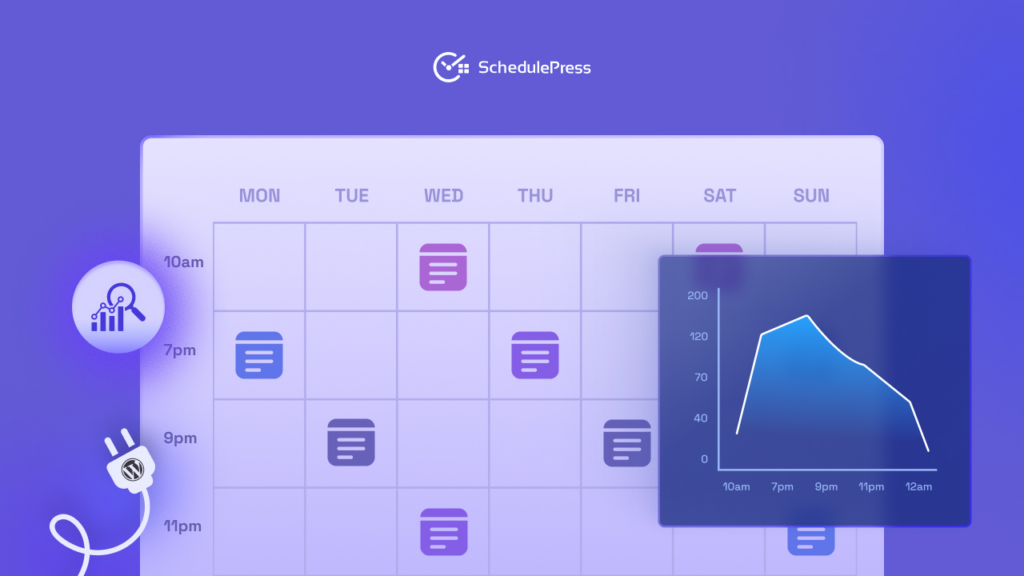
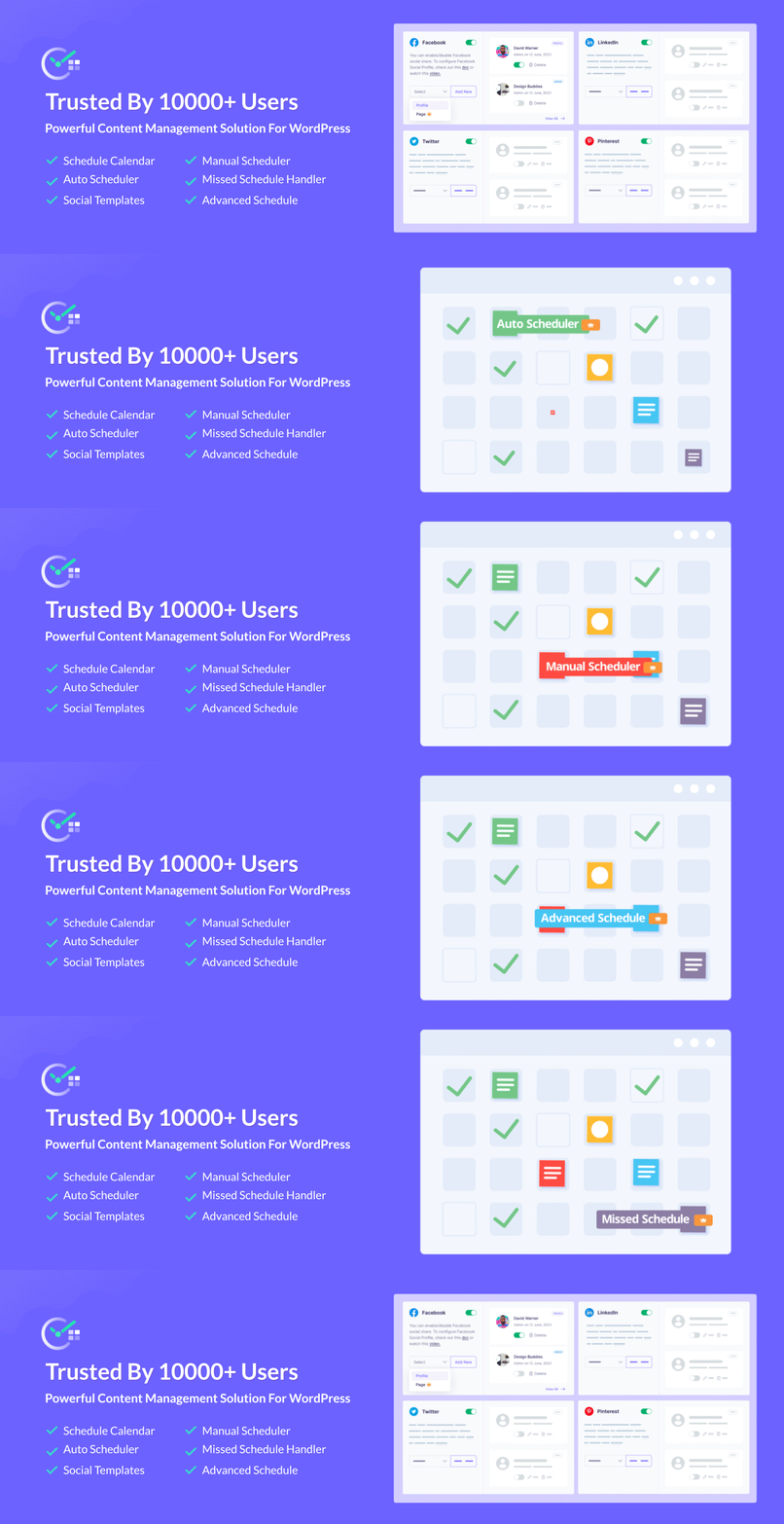
SchedulePress helps you plan and schedule posts with a visual calendar, keep a steady cadence with automated scheduling options and protect against missed publishes with its missed schedule handling.
When your publishing rhythm is stable, your niche statement and value proposition feel real because readers see you deliver on them. This is a practical way to strengthen your personal brand over time while keeping your blog bio and about me page aligned with what you actually publish.
Frequently Asked Questions (FAQs)
This section answers the questions bloggers most often ask when they are trying to write a stronger intro that fits their niche and sounds natural. Use these FAQs to refine your draft, remove confusion and make sure your introduction supports your blog goals.
1) Where should I place my blogger introduction?
A blogger’s introduction example works best when new visitors land first. Most bloggers place it on the homepage, at the top of the about me page and sometimes in a short version in the sidebar or footer. If you write guest posts, you can also reuse a trimmed version as your author bio.
2) How long should a blogger’s introduction be?
Keep it short enough to read quickly but complete enough to be clear. In most cases, 3 to 6 sentences is enough for the main intro. If you want to add more detail, you can expand on your story or experience further down the About Me page.
3) Do I need to include my personal story?
No, it is optional. Some niches perform better with a direct niche statement and value proposition. If your story supports trust and explains why you are qualified, include it. If it feels forced, skip it and focus on clarity.
4) How do I write a niche statement if my blog covers multiple topics?
Start with the common thread that connects your topics. You can also frame it around your reader instead of the subject, such as “I help busy freelancers grow with practical systems.” That creates a single niche statement even if your blog covers more than one category.
5) How can I make my intro sound less generic?
Add one specific detail that only you could say. Mention your method, your audience, your unique perspective or a small proof point. A strong personal brand does not come from fancy words; it comes from specificity and consistency.
6) Should I add a call to action in my introduction?
Yes, if it fits naturally. After your niche statement and value proposition, invite readers to take one clear next step, such as reading your best guide, checking your latest posts or subscribing. One simple call to action is enough.
7) How often should I update my blogger introduction?
Update it when your niche statement changes, when your audience shifts or when your blog direction becomes more focused. Many bloggers refresh their intro every 6 to 12 months to keep it aligned with what they publish and what their readers actually want.
Utilize Personal Branding & Grow Your Business
A strong intro is not about sounding clever. It is about clarity and trust. Pick one template, write a draft, then refine it until it matches your voice. When your niche market positioning statement and value proposition are clear, the right readers stay.
If you want one takeaway, it is this: use a blogger introduction example that you can support with consistent content. Your blog bio, your about page and your personal brand will become stronger each time you publish with intention.
If you have found this blog helpful, share your opinion with our Facebook community. You can subscribe to our blogs for valuable tutorials, guides, knowledge, tips, and the latest WordPress updates.