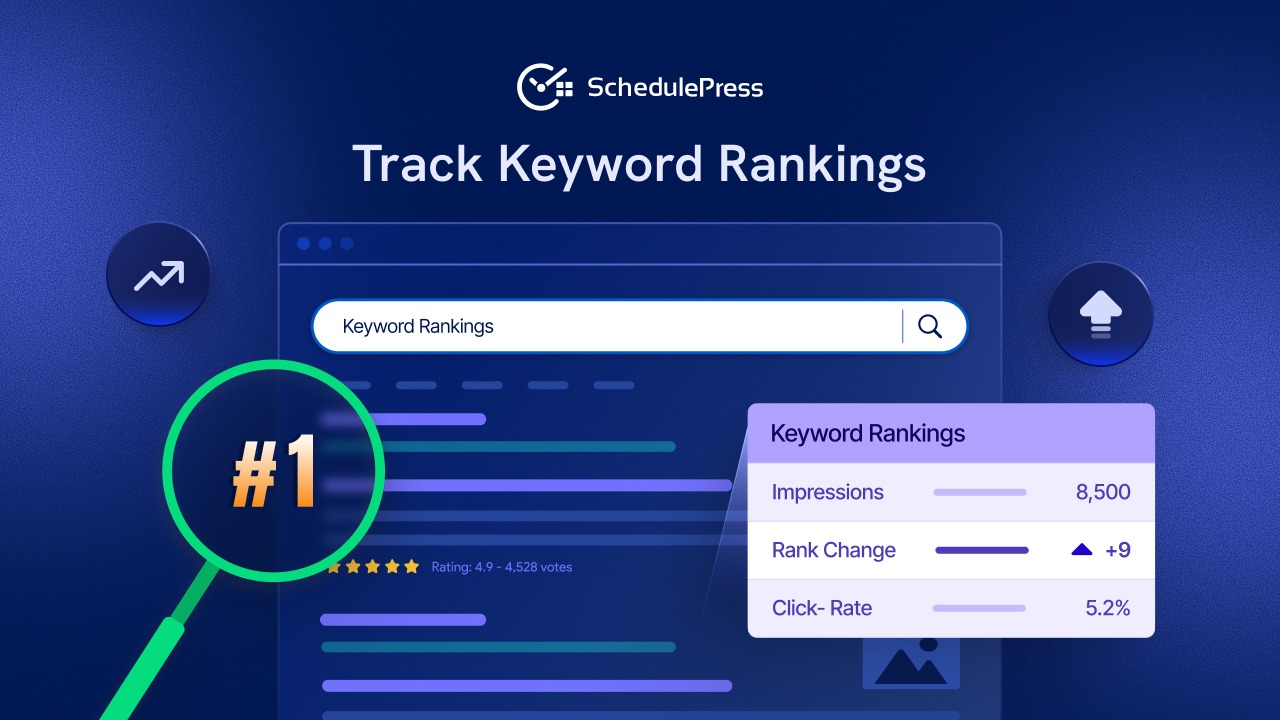
Are you publishing blogs, sharing them on social media and still seeing little to no traffic? You are not alone. Even with high-quality content and a technically sound website, your pages can get lost in search results. Search Engine Optimization (SEO) is the key to driving organic traffic without spending on ads. But writing great content is not enough; you need to know if your efforts are actually working.
That is where keyword rank tracking comes in. By tracking your rankings, you can see exactly where your site stands against competitors, understand what your audience is searching for and uncover how they discover your content. This guide will explain what keyword rank tracking is and why it matters. We will also explore how it helps you achieve SEO success and improve your organic rankings.
TL;DR (Too Long, Didn’t Read)
Keyword rank tracking is the process of monitoring the position of specific keywords in search engine results pages (SERPs).
Quick Guide: Keyword Tracking at a Glance
Use this table to understand the core components of a professional tracking strategy.
| Term | Keyword Rank Tracking Definition | Why It Matters |
| Target Keyword | The specific word/phrase you want to rank for. | Focus on your content strategy. |
| SERP Position | Your actual rank (e.g., Position #3) on Google. | Directly impacts your click-through rate. |
| Search Volume | How many people search for that term monthly? | Helps you prioritize high-value terms. |
| Visibility Score | An overall ‘health’ score of your total rankings. | Tracks your brand’s authority over time. |
PRO Tips
Understanding keyword rank tracking starts with choosing the right tools. Whether you use free options like Google Search Console or premium software, the goal of keyword rank tracking for SEO success is consistency. Check your rankings weekly to spot trends, but avoid obsessing over daily hiccups in the algorithm.
What Is Keyword Rank Tracking?
Keyword rank tracking is simply the practice of checking where your website appears on search engine results pages (SERPs).
By understanding keyword rank tracking, you can see if your content is moving up or down, allowing you to make smarter decisions for your keyword rank tracking for SEO success.
Mastering SEO rank tracking is like having a GPS for your website. Without it, you are guessing which efforts are working. Keyword tracking (or SERP tracking) provides the ‘scorecard’ you need to prove your hard work is paying off.
The primary benefits of keyword rank tracking include catching sudden drops before they hurt your traffic and identifying which new topics are starting to gain traction. Ultimately, measuring SEO success with rank tracking ensures your strategy is backed by data, not just hope.
For example, if your blog ranks #12 for ‘best WordPress plugins’ today and moves up to #6 next month, keyword rank tracking shows that your SEO efforts are working. On the other hand, if it drops to #20, you know it is time to revisit your content or strategy.
Rank tracking gives you a clear picture of your SEO health. You can see which pages are performing well and which need more work.
Most people use specialized tools or software to automate this process, generating accurate reports without wasting time. This data helps you make informed decisions and focus your marketing efforts where they matter most.
How Rank Tracking Works?
Rank tracking works by simulating a user search for a specific term. The tool scans the results page to find your website URL. It then records the position number where your site appears.
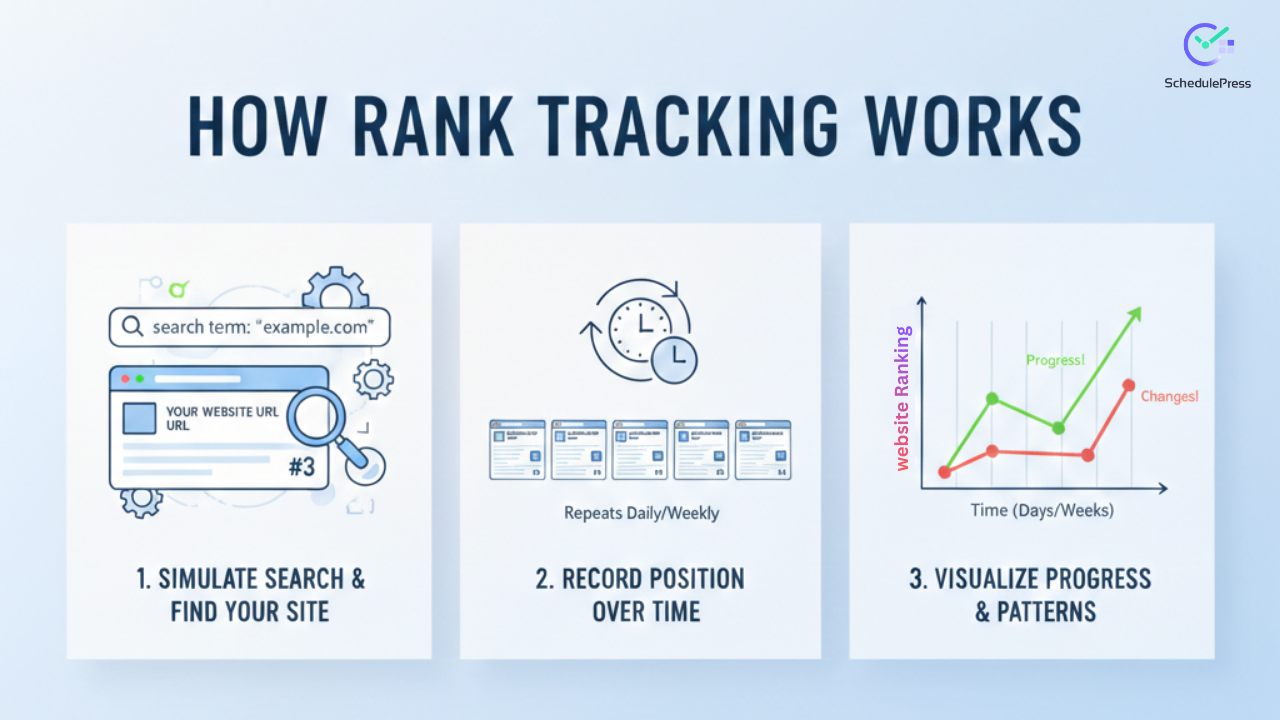
This process happens repeatedly over days, weeks, or months. By collecting this data, you can visualize your progress on a graph. This helps you identify patterns and changes in your visibility.
How to Check And Track Keyword Rankings?
You can check your keyword positions in two main ways. You can do it manually for free or use automated tools for better accuracy. Both methods help you see where you stand in search results.
Method 1: Checking Rankings Manually
This method costs nothing and works well if you only track a few keywords. It is great for beginners who are just starting out with SEO.
- Open a Private Browser Window: You must use an incognito or private window for this step. Your personal search history changes what Google shows you. A private window gives you a clean and unbiased view of the search results.
- Search for Your Target Keyword: Go to Google and type in the exact keyword phrase you want to track. Press enter and wait for the results page to load completely.
- Locate Your Website URL: Scroll down through the results to find your website. Skip the sponsored ads at the top and the map pack if it appears. Focus only on the organic text links.
- Count the Position Number: Start counting from the first organic result at the top. If your website is the fourth listing then your rank is four. Be careful to count accurately.
- Record Your Data in a Spreadsheet: You need to save this information to track progress. Open a spreadsheet and create columns for the date, keyword and rank. Fill this in every week to spot trends.
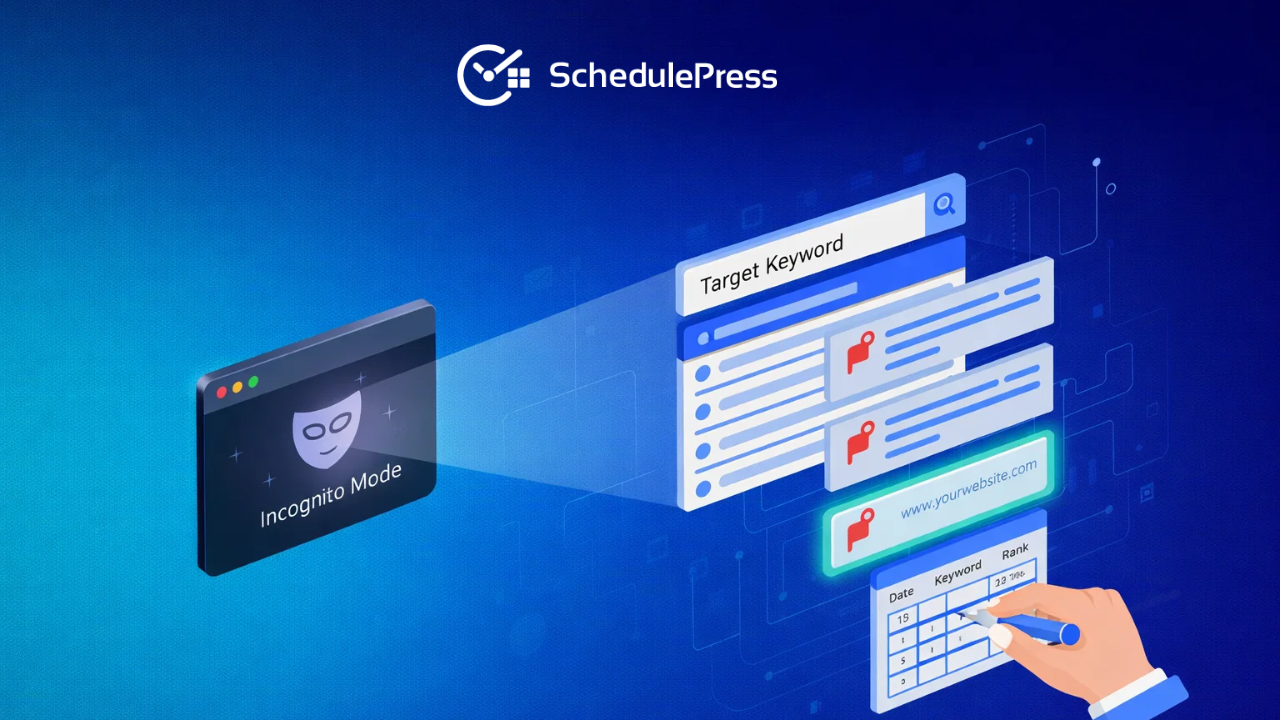
Google rankings are influenced by multiple factors, so results may vary daily and across devices or locations. Manual tracking gives a general trend but may not be perfectly precise.
Limitations:
❌ Rankings can fluctuate daily due to algorithm updates, personalized results or testing by search engines.
❌ Results may vary based on location, device, or language settings.
❌ Incognito mode reduces bias but does not eliminate all variables.
❌ Tracking manually is time-consuming and prone to human error.
Method 2: Checking Rankings with Tools
Manual checking can be time-consuming for websites with many pages. Using a tracking tool speeds up the process and provides deeper insights into your performance.
- Select a Reliable Tracking Tool: Choose a software that fits your budget and needs. Tools like Semrush or Ahrefs are popular choices for professionals.
- Set Up Your Project Domain: Log in to the tool and start a new project. Enter your website domain name so the tool knows what to look for.
- Enter Your Keyword List: Upload or type in all the keywords you want to monitor. Most tools allow you to tag and organize them by topic.
- Specify Your Target Location: Tell the tool which country or city to check. This ensures you see rankings that are relevant to your actual customers.
- Review Your Automated Reports: The tool will scan the search engines for you every day. Log in to see graphs and charts that show your ranking changes over time.
Even the best tracking tools have limits and results may vary depending on location, plan or daily search fluctuations.
Limitations:
- Data may differ slightly between tools due to variations in how they track search results.
- Rankings can fluctuate daily, so short-term changes may not reflect long-term trends.
- Location-specific results may not always perfectly match every user’s experience.
- Some tools have limits on the number of keywords or domains you can track in lower-tier plans.
- Automated reports provide an overview but may miss nuances like SERP features, rich snippets or manual penalties.
Best Tools for Keyword Rank Tracking
You cannot track rankings manually if you have more than a few keywords. It is too time-consuming and inaccurate due to personalized search results. You need reliable software to handle this task for you.
There are many great rank tracking tools available on the market. Some are free while others require a subscription.
Google Search Console
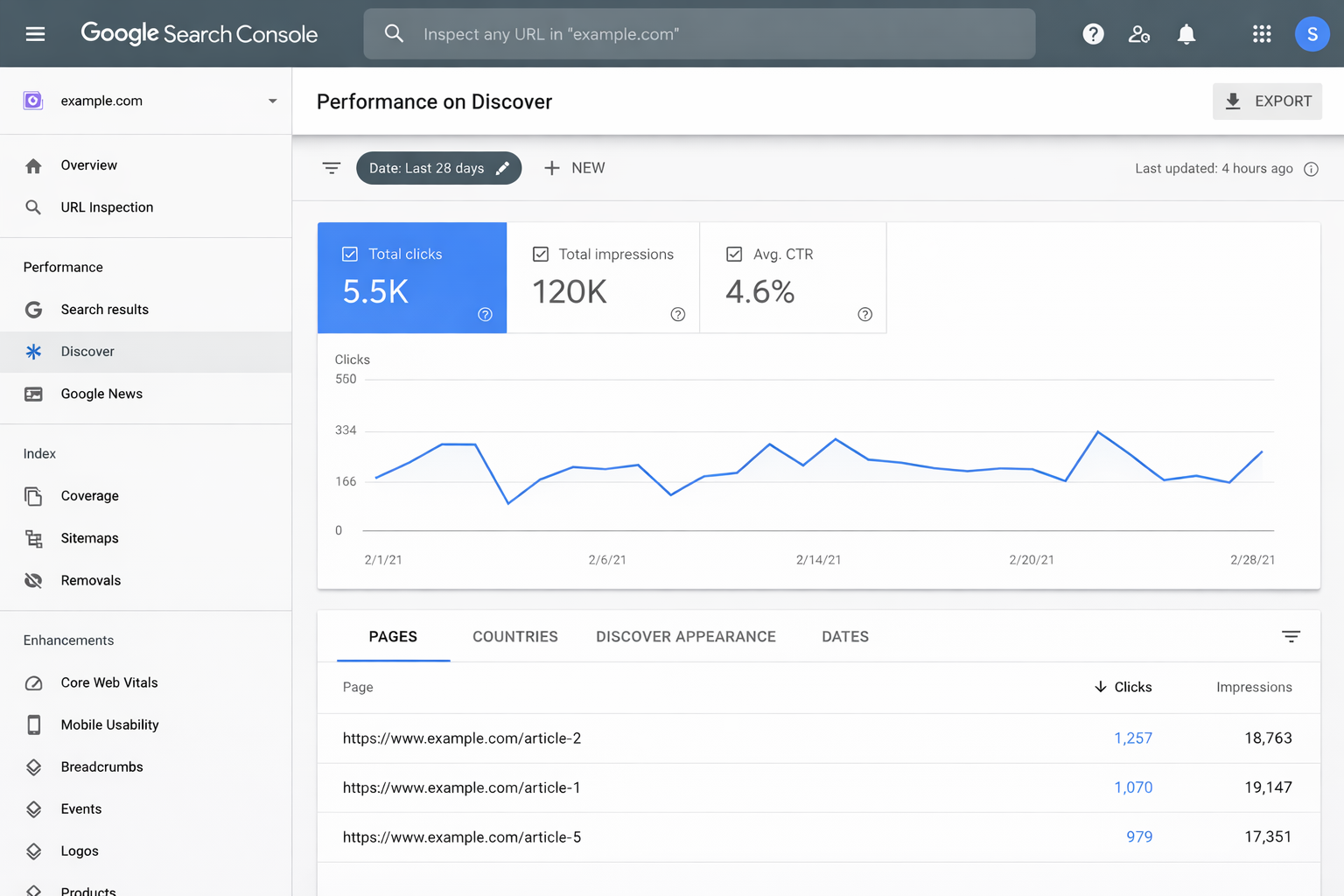
Google Search Console is a free tool provided directly by Google. It is one of the most accurate sources of data because it comes from the search engine itself. It shows you the average position of your keywords.
This tool is excellent for beginners. It helps you understand how Google sees your site. However, it does not offer daily tracking or competitor comparison in the same way paid tools do.
Semrush
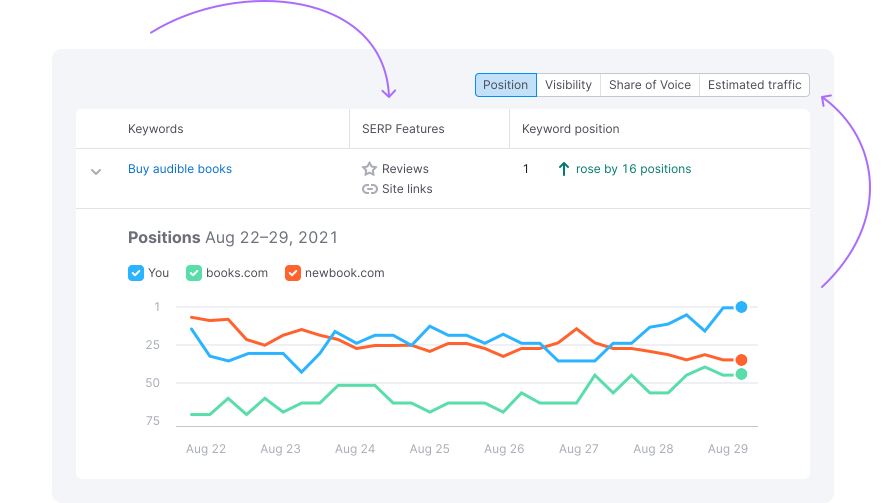
Semrush is a comprehensive marketing toolkit that includes a powerful rank tracker. It updates your rankings daily and offers detailed competitor analysis. It also suggests new keywords based on your current performance.
This tool is great for serious marketers who need deep insights. It allows you to track rankings in different locations and on different devices.
Ahrefs
Ahrefs is another industry leader for SEO analysis. Their rank tracker is known for being reliable and easy to use. It provides a history of your ranking progress and alerts you to significant changes.
Ahrefs is particularly good for analyzing backlinks along with your rankings. This helps you see the correlation between your authority and your position.
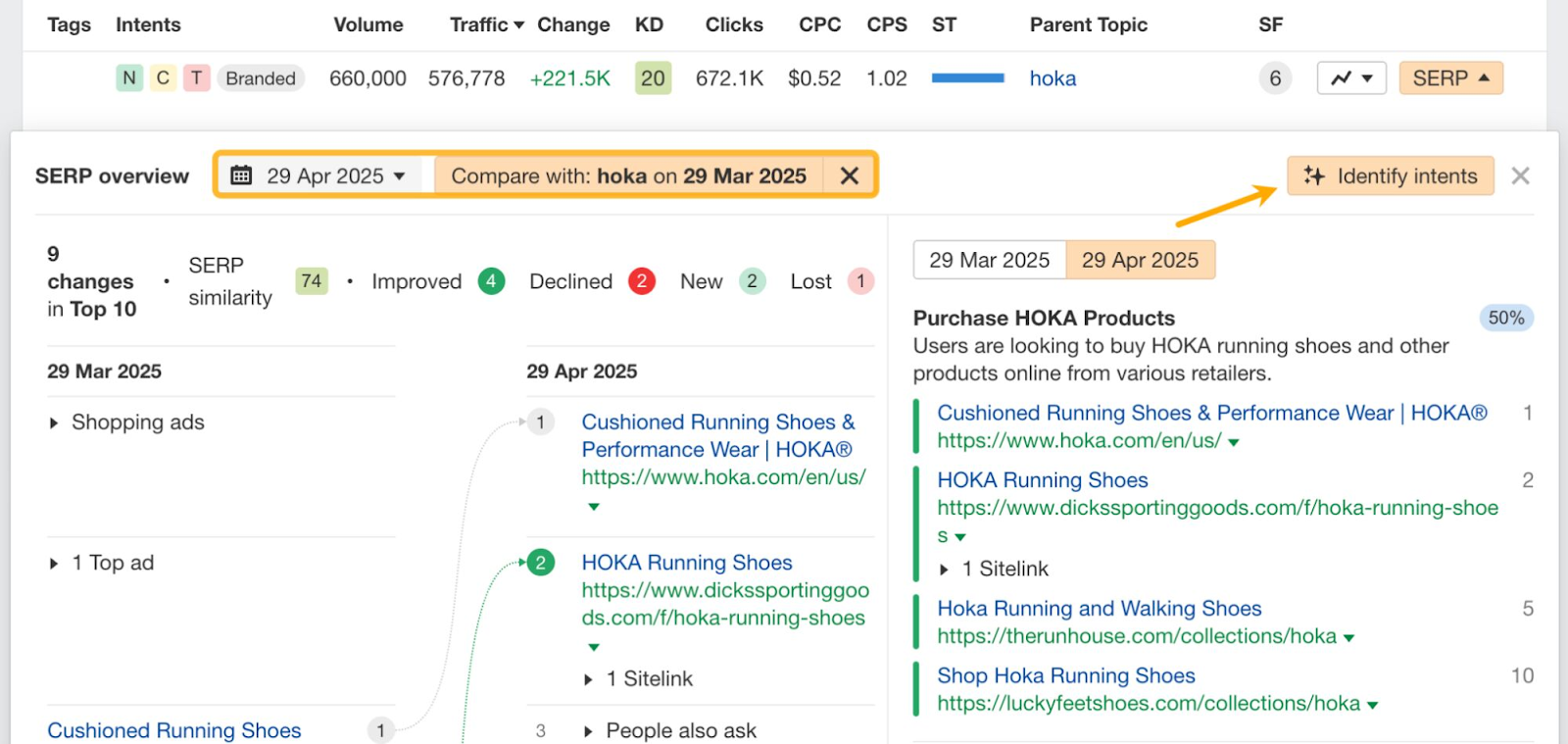
How to Understand Keyword Rank Tracking Metrics
When you look at a rank tracking report, you will see various metrics. It is important to know what these numbers mean. Understanding these metrics helps you interpret the data correctly.
Do not get overwhelmed by the data. Focus on the key indicators that show your overall progress.
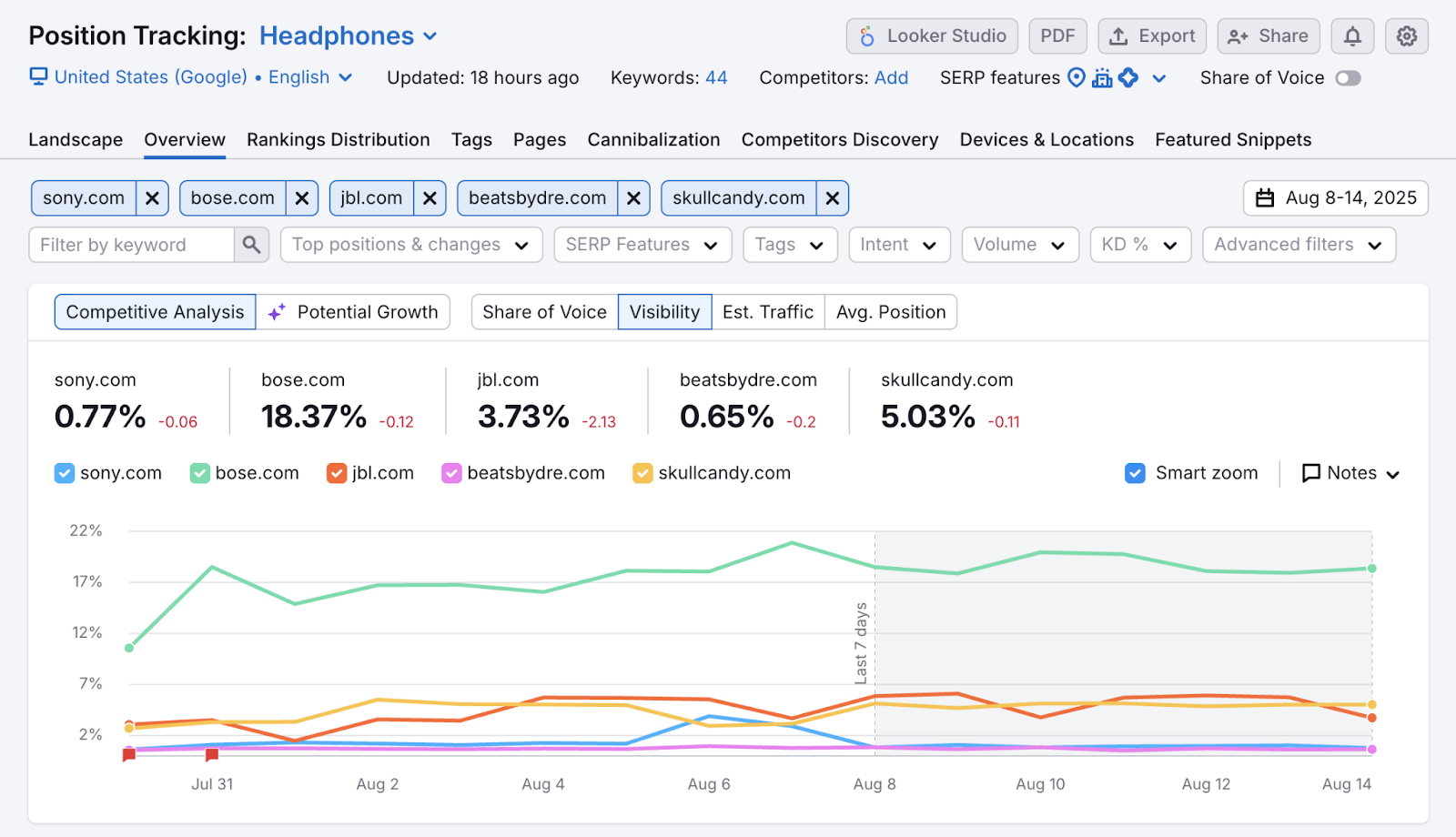
Visibility Score
Many tools provide a visibility score. This is a percentage that represents how visible your website is in the organic search results for your tracked keywords. A higher score means you are appearing more often at the top.
This metric is useful for reporting to clients or stakeholders. It gives a quick snapshot of overall SEO health without getting into specific keyword details.
Search Volume
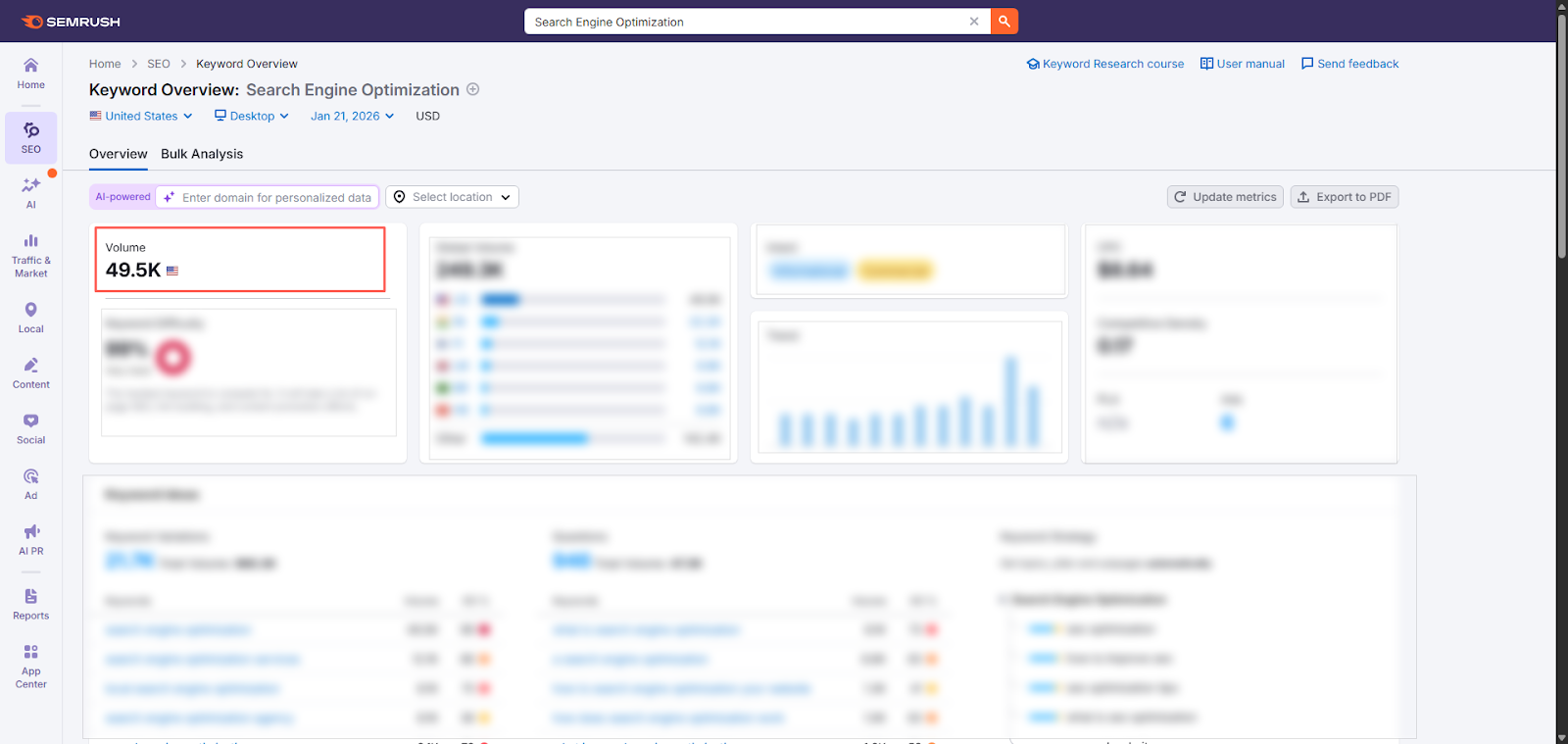
Search volume tells you how many people search for a specific keyword each month. It is important to track rankings for keywords with decent search volume. Ranking number one for a keyword that nobody searches for will not bring you traffic.
You should prioritize keywords that have a balance of good volume and relevance to your business. This ensures you attract valuable visitors.
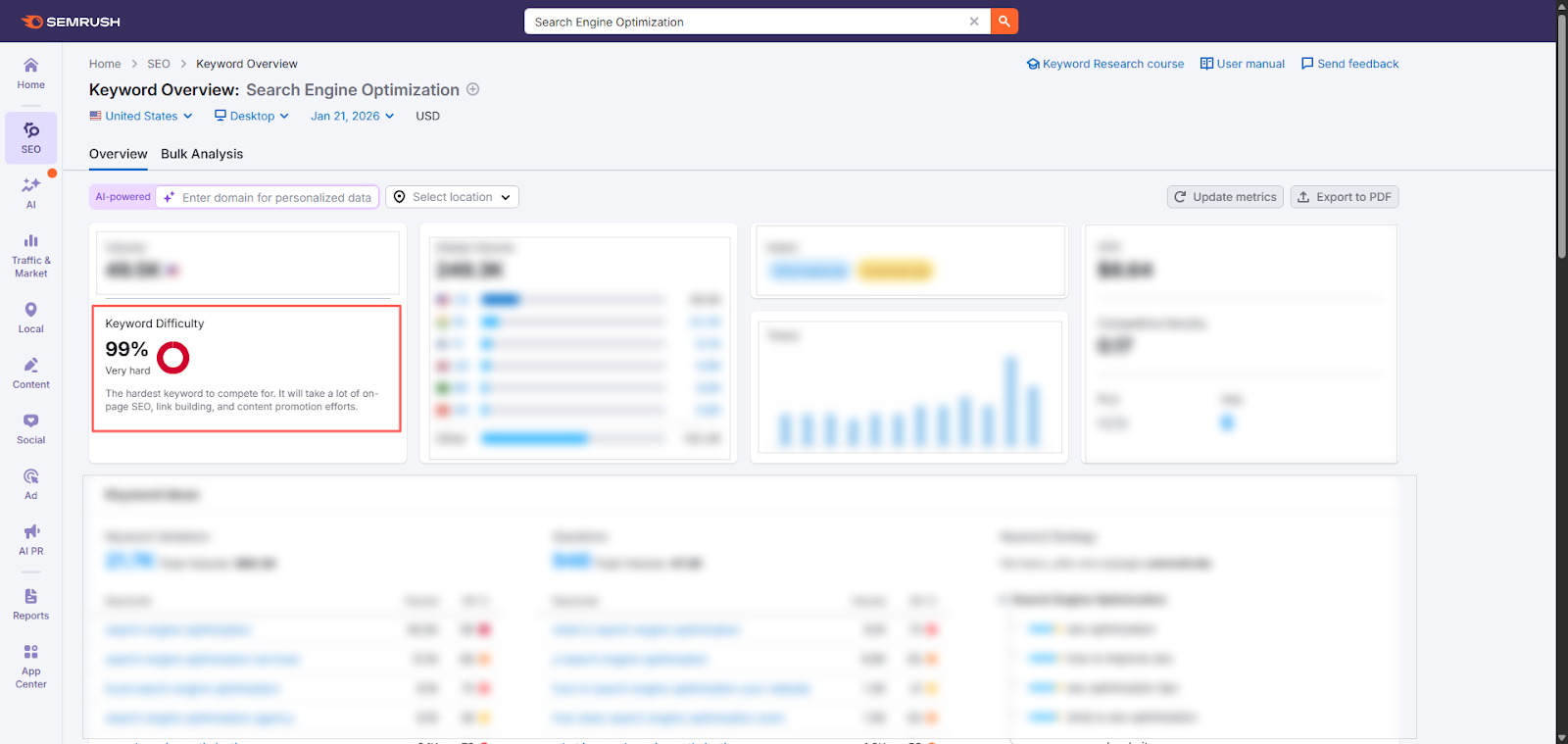
Keyword Difficulty
Keyword difficulty estimates how hard it is to rank for a term. It is usually a score from 0 to 100. Great difficulty means many strong websites are competing for that keyword.
When tracking rankings, consider the difficulty. It takes longer to rank for difficult terms. Seeing slow progress on a hard keyword is normal and should not discourage you.
Why Is Keyword Rank Tracking Important?
There are several reasons why keyword rank tracking practice is crucial for websites. It helps you validate your SEO strategies and prove that your investment is paying off. Without tracking, you are essentially flying blind.
Measuring SEO Performance And Results
The primary reason to track keyword rankings is to measure your SEO performance. You need to know if your optimization efforts are actually moving the needle. If you spend time updating a blog post, you want to see if the ranking improves.
Tracking provides a direct feedback loop for your work. If you see your rankings go up after making changes, you know your strategy is effective. If rankings drop, you know you need to adjust your approach immediately.
Identifying Ranking Trends Over Time
Search engine rankings fluctuate often due to algorithm updates or competitor actions. Keyword rank tracking allows you to spot these trends early. You can see if your site is on a steady upward path or if it is slowly losing visibility.
Identifying these trends helps you react before it is too late. For example, a sudden drop might indicate a technical error on your site. Spotting this quickly allows you to fix the issue and recover your positions.
Improving Organic Traffic And Website Rankings
Your position in the search results directly affects how much traffic you get. The top three results get the majority of clicks. By tracking your keywords, you can focus on moving pages from the second page to the first page.
Even a small improvement in ranking can lead to a significant increase in visitors. When you improve your website rankings for high-volume keywords, you naturally attract more potential customers. This is the core goal of SEO success.
How Does Keyword Rank Tracking Contribute to SEO Success?
SEO success is not a one-time achievement. It requires consistent effort and monitoring. Keyword rank tracking is the foundation of a successful long-term strategy. It provides the data you need to grow and adapt in a competitive market.
You can use ranking data to refine every part of your digital marketing plan. From content creation to link building, tracking informs your next move.
Making Strategic Adjustments
The digital landscape changes very fast. What worked yesterday might not work tomorrow. Regular tracking allows for timely strategic adjustments to your campaigns.
You might find that certain keywords are too competitive. In that case, you can shift your focus to long-tail keywords that are easier to rank for. Rank tracking data gives you the confidence to pivot your strategy when necessary.
Tracking ROI for SEO Activities
Businesses need to know if their spending is generating a return. Keyword rank tracking helps businesses assess the return on investment (ROI) for SEO activities. You can correlate ranking improvements with increased revenue or leads.

When you can show that higher rankings led to more sales, it is easier to justify the SEO budget. This data connects marketing efforts directly to business growth.
Refining Content Strategy
Your content must be relevant to what users are searching for. Insights from rank tracking data can guide your content creation process. You can identify gaps where you are not ranking well and create new content to fill them.
If a page ranks for a keyword but is on the second page, it might just need a content refresh. You can update the information or add more details to push it to the first page. This improves user experience and relevance.
Common Mistakes in Keyword Rank Tracking
Even experienced marketers can make mistakes with rank tracking. Avoiding these pitfalls ensures your data is reliable. It saves you from making bad decisions based on wrong information. Here are a few things to watch out for when managing your tracking campaigns:
❌ Obsessing Over Daily Changes
Rankings change every day. It is normal to see your site move up or down a few spots. Do not panic over minor daily fluctuations.
Focus on the long-term trend line. If you are consistently dropping for over a month, that is a problem. If you bounce around a bit day to day, it is usually just normal volatility.
❌ Ignoring Local Rankings
Search results look different depending on where the user is located. If you run a local business, you must track local rankings. A generic national ranking might not reflect what your local customers see.
Ensure your tracking tool is set to your specific city or region. This gives you a true picture of your local visibility.
❌ Tracking the Wrong Keywords
It is a waste of time to track keywords that are not relevant. Make sure the keywords you track match the intent of your potential customers. Do not track vanity keywords that bring traffic but no sales.
Review your keyword list periodically. Remove terms that are no longer relevant and add new ones that represent your current focus.
Start Monitoring Keyword Rankings for Growth
Keyword rank tracking is a fundamental part of any successful SEO strategy. It allows you to measure your performance and identify areas for improvement. By understanding where you stand in the search results, you can make informed decisions to grow your business.
Remember that SEO is a marathon and not a sprint. Consistent tracking helps you stay on course and achieve long-term growth. It helps you uncover new opportunities and stay ahead of your competitors.
Start tracking your keywords today to take control of your SEO success. Use the insights you gain to refine your content and climb the search rankings. With the right tools and strategy, you can increase your organic traffic and reach your business goals.
Is this blog helpful? Subscribe to our blog for more valuable content and join our Facebook Community to stay updated with the latest insights.